








Create a card or greeting about Chinese New Year with AI


Please wait 10–15 seconds while we create your unique greeting. This process ensures full personalization just for you! Do not leave or reload the page to avoid losing progress. Thank you for your patience!
Chinese New Year Celebrations
Chinese New Year, also known as the Spring Festival, is one of the most important and anticipated celebrations in China. It is celebrated with great enthusiasm and symbolizes the beginning of a new cycle in the lunar calendar. During this time, families gather, rituals are performed, and various traditions that have been passed down through the centuries take place.
This event is not only celebrated in China but has also spread to various Chinese communities around the world, where each region adds its own cultural touch to the festivities. Celebrations often last several days and are filled with activities that reflect the rich cultural heritage of the country.
Traditions and Customs
The traditions of Chinese New Year are diverse and vary from region to region, but there are certain customs that are common in most celebrations. One of the most notable is the cleaning of the home, which symbolizes the removal of bad luck and the welcoming of good fortune. Families often decorate their homes with red ornaments, which represent happiness and prosperity.
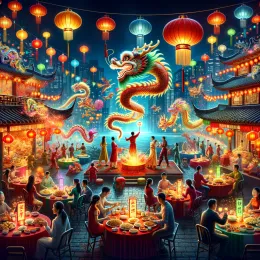
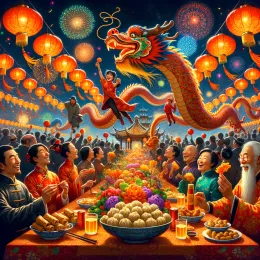
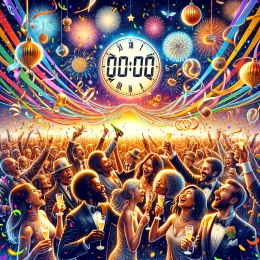
Fireworks are another essential part of the celebrations, as they are believed to drive away evil spirits. Lion and dragon dances are also popular spectacles that attract crowds and symbolize strength and good luck.
Traditional Foods
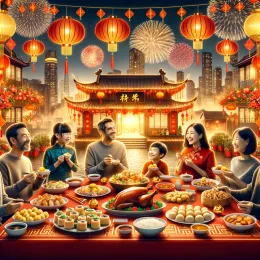
Cuisine plays a fundamental role in the celebrations of Chinese New Year. During these festivities, families gather to enjoy a special dinner that includes symbolic dishes. Some of the most common foods are dumplings, which represent wealth, and fish, which symbolizes abundance.
Additionally, the consumption of nian gao, a glutinous rice cake, is very popular, as it is associated with growth and prosperity. Fruits such as tangerines and pomegranates are also common, as they symbolize good luck and fertility.
Rituals and Ceremonies
Chinese New Year is filled with rituals aimed at attracting good fortune and warding off bad luck. One of the most significant rituals is the offering to ancestors, where families prepare altars with foods and items that were dear to them, showing respect and gratitude.
Prayer ceremonies are also common, where people ask for a prosperous and healthy year. In many regions, people visit temples to carry out these practices, reinforcing the sense of community and tradition.
The Lunar Calendar and Chinese Zodiac
Chinese New Year is based on the lunar calendar, which means that the date of celebration varies each year. Generally, it falls between January 21 and February 20. Each year is associated with one of the twelve animals of the Chinese zodiac, which influences the characteristics and fortune of people born in that year.
The zodiac animals include the Rat, Ox, Tiger, Rabbit, Dragon, Snake, Horse, Goat, Monkey, Rooster, Dog, and Pig. Each of these animals has its own qualities and symbolism, adding an additional layer of meaning to the celebrations.
Community Activities
The celebrations of Chinese New Year are not limited to family festivities but also include a series of community activities that foster unity and joy. Colorful parades, fairs, and markets are common in Chinese cities and in Chinese communities abroad.
These events often feature cultural performances, such as dances, live music, and art exhibitions. Community participation in these activities highlights the spirit of unity and celebration that characterizes this holiday.
The Role of Money in the Festivities
The exchange of money in red envelopes, known as “hongbao,” is a highly valued tradition during Chinese New Year. These envelopes usually contain cash and are given to children and young people as a symbol of good luck and prosperity.
This act not only represents a wish for fortune but also reinforces family bonds and generosity among friends and loved ones. The amount of money is not the most important aspect, but rather the gesture and the meaning behind the gift.
Global Cultural Impact
Chinese New Year has transcended the borders of China and has become a global celebration. In many major cities around the world, festivals are held that attract people from diverse cultures, promoting understanding and mutual respect.
The celebrations include parades, fireworks displays, and fairs that offer food and entertainment. This not only enriches the local culture but also allows Chinese communities to share their heritage with the world.
Reflections on the Future
As Chinese New Year continues to evolve, it is important for new generations to keep alive the traditions and customs that have been an integral part of this celebration. The transmission of these cultural values is essential for preserving the identity and history of the Chinese community.
The future of Chinese New Year may also be influenced by modern trends, where technology and globalization play an important role. However, the spirit of unity, celebration, and hope will remain at the heart of this festival.

Best Examples of wishes









FAQ
Interesting Articles and Tips for holidays and wishes

How to Make Digital Invitations for Your Next Party

Top Tips for Creating Personalized Greeting Cards Online

Best Wishes: Crafting Unique Birthday Greetings Easily
Why AI Enhances Creativity in Writing Holiday Greetings
Celebrate Milestones with AI-Powered Congratulation Cards



Ваш отзыв добавлен!