








Create a card or greeting about Cinematography Workers’ Day with AI


Please wait 10–15 seconds while we create your unique greeting. This process ensures full personalization just for you! Do not leave or reload the page to avoid losing progress. Thank you for your patience!
Cinematography Workers’ Day: A Celebration of Art and Craft
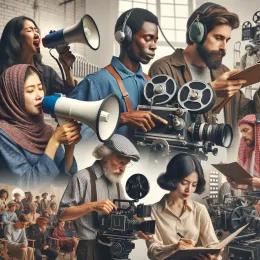
Every year, the world comes together to honor the unsung heroes behind the lens on a special day dedicated to cinematography workers. This celebration recognizes the immense talent, creativity, and hard work that goes into crafting the visual stories we cherish. From directors of photography to camera operators, lighting technicians, and grips, each individual plays a crucial role in bringing cinematic visions to life.
The film industry is a vibrant tapestry woven with the contributions of countless professionals. Each frame captured is a testament to their dedication and artistry. As we delve into the significance of this day, we uncover the rich history, the impact of cinematography on storytelling, and the future of this dynamic field.
The Historical Context of Cinematography
Cinematography has evolved significantly since the inception of film. The early days of cinema were marked by silent films, where visual storytelling was paramount. Cinematographers relied on innovative techniques to convey emotions and narratives without dialogue. This era laid the groundwork for the sophisticated visual language we see today.
As technology progressed, so did the art of cinematography. The introduction of color film, sound, and digital technology transformed the landscape, offering new tools for creativity. Each advancement has opened up new possibilities for filmmakers, allowing them to push the boundaries of their craft.
Key Milestones in Cinematography
- 1895: The Lumière brothers screened the first films, marking the birth of cinema.
- 1927: The release of “The Jazz Singer,” the first significant sound film, revolutionized the industry.
- 1939: “The Wizard of Oz” showcased the magic of color cinematography.
- 1975: The introduction of the Steadicam allowed for smoother camera movements.
- 2000s: The rise of digital cinematography transformed production techniques and accessibility.
The Role of Cinematography Workers
The contributions of cinematography workers are often overshadowed by the glitz and glamour of Hollywood. However, their expertise and artistry are vital to the filmmaking process. Each role, from the director of photography to the production assistant, is essential in creating the final product that audiences enjoy.
Directors of photography (DPs) are responsible for the visual style of a film. They collaborate closely with directors to establish the mood and tone through lighting, camera angles, and shot composition. Their artistic vision shapes the audience’s experience and emotional connection to the story.
Key Roles in Cinematography
| Role | Responsibilities |
|---|---|
| Director of Photography | Oversees the visual aspects of the film, including lighting and camera work. |
| Camera Operator | Handles the camera during filming, executing the DP’s vision. |
| Gaffer | Manages lighting equipment and sets up lighting for each scene. |
| Grip | Responsible for rigging and supporting camera equipment and lighting. |
The Impact of Cinematography on Storytelling
Cinematography is more than just capturing images; it is about telling stories in a visually compelling way. The choices made by cinematographers influence how audiences perceive characters, emotions, and themes. Through camera angles, lighting, and movement, cinematographers can evoke feelings of tension, joy, sadness, or excitement.
The interplay of light and shadow can create a mood that enhances the narrative. For instance, low-key lighting can add suspense to a thriller, while bright, natural light can evoke warmth in a romantic drama. The visual language of cinema is a powerful tool that shapes our understanding and emotional response to the story being told.
Iconic Cinematic Techniques
- Close-ups: Highlighting emotions and reactions.
- Wide shots: Establishing context and setting.
- Tracking shots: Creating a sense of movement and immersion.
- Slow motion: Emphasizing dramatic moments.
Global Celebrations of Cinematography Workers’ Day
Across the globe, Cinematography Workers’ Day is celebrated in various ways, reflecting local cultures and traditions. Film festivals, workshops, and award ceremonies often coincide with this day, offering a platform to recognize the achievements of cinematographers and their teams. These events not only honor past contributions but also inspire future generations of filmmakers.
In many countries, educational institutions host seminars and discussions featuring industry professionals who share their insights and experiences. This exchange of knowledge helps to nurture the next wave of talent in cinematography, ensuring that the craft continues to evolve and thrive.
Notable Events Around the World
- Film festivals showcasing works by emerging cinematographers.
- Workshops and masterclasses led by industry veterans.
- Awards ceremonies recognizing outstanding achievements in cinematography.
The Future of Cinematography
As technology continues to advance, the future of cinematography is filled with exciting possibilities. The rise of virtual reality (VR) and augmented reality (AR) is pushing the boundaries of visual storytelling, allowing audiences to immerse themselves in the narrative like never before. Cinematographers are adapting to these new mediums, experimenting with techniques that enhance the viewer’s experience.
Moreover, the democratization of filmmaking tools has made it easier for aspiring cinematographers to enter the field. With affordable cameras and editing software, more individuals can share their unique perspectives and stories. This influx of diverse voices enriches the cinematic landscape, fostering innovation and creativity.
Emerging Trends in Cinematography
- Increased use of drones for aerial cinematography.
- Integration of AI in post-production processes.
- Exploration of immersive storytelling through VR and AR.
Conclusion
The celebration of cinematography workers is a tribute to the artistry and dedication that goes into every frame of film. As we honor their contributions, we also recognize the importance of nurturing the next generation of cinematographers who will continue to shape the future of visual storytelling. Each year, this day serves as a reminder of the power of cinema to inspire, entertain, and connect people across the globe.
Wishes for Other Holidays

Best Examples of wishes













FAQ
Interesting Articles and Tips for holidays and wishes

How to Make Digital Invitations for Your Next Party

Top Tips for Creating Personalized Greeting Cards Online

Best Wishes: Crafting Unique Birthday Greetings Easily

Why AI Enhances Creativity in Writing Holiday Greetings

Celebrate Milestones with AI-Powered Congratulation Cards



Ваш отзыв добавлен!