








Create a card or greeting about Coming of Age with AI


Please wait 10–15 seconds while we create your unique greeting. This process ensures full personalization just for you! Do not leave or reload the page to avoid losing progress. Thank you for your patience!
Understanding the Coming of Age Celebration
The Coming of Age celebration marks a significant transition in a young person’s life, symbolizing their progression from childhood into adulthood. This rite of passage is observed in various cultures worldwide, each with its unique traditions and customs. The importance of this event lies in its recognition of maturity, responsibility, and the new roles that young individuals will assume in their communities.
Across different societies, the age at which this transition occurs can vary. In some cultures, it is celebrated at the age of 13, while in others, it may be at 15, 16, or even 18. Regardless of the age, the essence of the celebration remains the same: a joyous acknowledgment of growth and new beginnings.
Global Traditions and Customs
Throughout the world, the Coming of Age is celebrated in diverse ways. Here are some notable examples:
- Quinceañera (Latin America): This celebration marks a girl’s 15th birthday, symbolizing her transition into womanhood. The event often includes a religious ceremony followed by a grand party with family and friends.
- Bar and Bat Mitzvah (Jewish Tradition): At the age of 13 for boys and 12 for girls, Jewish children celebrate their coming of age with a religious ceremony, marking their responsibilities in the community.
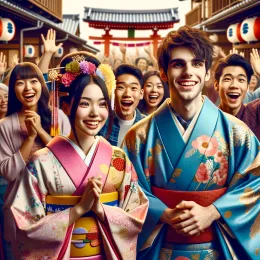
- Seijin Shiki (Japan): This ceremony occurs on the second Monday of January for those who turn 20, celebrating their legal adulthood with traditional attire and community gatherings.
- Sweet Sixteen (United States): A popular celebration for girls turning 16, often featuring parties that symbolize their transition into young adulthood.
The Significance of Coming of Age Ceremonies
These celebrations serve multiple purposes within communities. They reinforce cultural identity, impart values, and strengthen family ties. By participating in these events, young individuals often feel a deeper connection to their heritage and a greater sense of belonging.
Moreover, the celebrations provide an opportunity for families to express pride in their children’s achievements and growth. It is a moment of reflection on the journey that has led to this milestone and the responsibilities that lie ahead.
Rituals and Symbolism
Rituals associated with Coming of Age ceremonies often include symbolic acts that signify the transition. For instance, in many cultures, the young person may receive gifts that represent wisdom, strength, or guidance. These gifts are not just material items but are imbued with meaning, often passed down through generations.
In some traditions, the individual may undergo specific rites, such as fasting, prayer, or community service, which serve to prepare them for their new role. These practices help instill a sense of duty and responsibility, reinforcing the importance of contributing positively to society.
Modern Adaptations
While many cultures maintain traditional practices, some have adapted their Coming of Age celebrations to reflect contemporary values and lifestyles. For example, the Quinceañera may now include modern themes, music, and fashion, appealing to the individuality of the celebrant.
Social media also plays a significant role in how these events are shared and experienced. Families often document their celebrations online, allowing for a global exchange of ideas and traditions. This blending of old and new creates a rich tapestry of cultural expression that resonates with younger generations.
Challenges and Considerations
As societies evolve, the significance and execution of Coming of Age ceremonies can face challenges. Globalization and cultural exchange may lead to the dilution of traditional practices. Additionally, economic factors can impact families’ ability to celebrate these milestones in elaborate ways.
It is essential for communities to strike a balance between honoring traditions and embracing change. This ensures that the essence of the celebration remains intact while allowing for personal expression and adaptation.
Creating Meaningful Celebrations
For families planning a Coming of Age celebration, it is vital to consider what aspects of the tradition resonate most with them. Personalizing the event can enhance its significance, making it a true reflection of the individual’s journey and values.
Incorporating elements that are meaningful to the celebrant, such as their interests, dreams, and aspirations, can create a unique and memorable experience. Whether through themed parties, charitable contributions, or community involvement, the possibilities are endless.
Conclusion
The Coming of Age celebration is a profound event that transcends cultural boundaries, uniting communities in the recognition of growth and maturity. By understanding and embracing the diverse traditions associated with this rite of passage, we can appreciate the universal journey from childhood to adulthood. Each celebration, with its unique customs and rituals, contributes to the rich tapestry of human experience, fostering connections and shared values across generations.

Best Examples of wishes







FAQ
Interesting Articles and Tips for holidays and wishes

How to Make Digital Invitations for Your Next Party

Top Tips for Creating Personalized Greeting Cards Online
Best Wishes: Crafting Unique Birthday Greetings Easily
Why AI Enhances Creativity in Writing Holiday Greetings
Celebrate Milestones with AI-Powered Congratulation Cards



Ваш отзыв добавлен!