








Create a card or greeting about Diwali with AI


Please wait 10–15 seconds while we create your unique greeting. This process ensures full personalization just for you! Do not leave or reload the page to avoid losing progress. Thank you for your patience!
Celebrating the Festival of Lights
The Festival of Lights is a vibrant celebration that transcends borders, uniting people across the globe in a shared experience of joy and togetherness. This occasion is marked by the illumination of homes, the exchange of gifts, and the creation of beautiful memories with loved ones. As the world embraces this festive spirit, the significance and traditions surrounding this celebration come to life, reflecting cultural diversity and unity.
Historical Significance
This festival has deep-rooted historical significance, symbolizing the victory of light over darkness and good over evil. Its origins can be traced back to ancient texts and legends, each adding layers of meaning to the celebration. Various regions interpret the festival through their unique lenses, showcasing a rich tapestry of stories that resonate with countless individuals.
Mythological Narratives
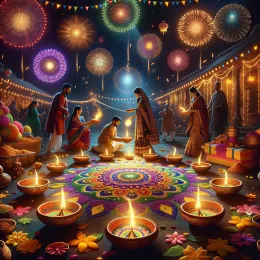
In Hindu mythology, the return of Lord Rama to Ayodhya after defeating the demon king Ravana is one of the most celebrated narratives. This event is commemorated with the lighting of diyas, or oil lamps, which illuminate the path for Rama and signify the triumph of good. Other traditions include the worship of Goddess Lakshmi, the deity of wealth and prosperity, inviting abundance into homes.
Global Celebrations
While this festival is predominantly celebrated in India, its essence has spread globally, embraced by diverse communities. From the bustling streets of Mumbai to the serene neighborhoods of London, the festival takes on various forms, each reflecting local customs and traditions.
Regional Variations
In India, the festival is celebrated with regional variations that highlight local culture. In the northern states, people often engage in elaborate firework displays, while in the southern regions, intricate kolams (decorative designs made with rice flour) adorn doorsteps. In the western states, traditional sweets and snacks are prepared, showcasing culinary diversity.
Festive Preparations
Preparation for this joyous occasion begins well in advance, with families cleaning and decorating their homes to welcome prosperity. The atmosphere is filled with excitement as people shop for new clothes, gifts, and festive decorations. The preparation process itself becomes a cherished part of the celebration, fostering a sense of togetherness among family members.
Decorations and Lights
Homes are adorned with vibrant rangolis, strings of lights, and colorful decorations. The use of natural elements, such as flowers and leaves, adds an organic touch to the festive ambiance. The sight of twinkling lights against the night sky creates a magical atmosphere, inviting everyone to partake in the celebrations.
Culinary Delights
No celebration is complete without a feast, and this occasion is no exception. Traditional sweets and savory dishes take center stage, each carrying its own significance and history. Families come together to prepare these delicacies, sharing recipes passed down through generations.
Popular Dishes
- Gulab Jamun – sweet, deep-fried dough balls soaked in syrup
- Samosas – crispy pastries filled with spiced potatoes and peas
- Puran Poli – sweet flatbread stuffed with lentils and jaggery
- Ladoo – round sweets made from flour and sugar
Rituals and Traditions
Rituals play a crucial role in this celebration, with families engaging in prayers and offerings to deities. The lighting of lamps symbolizes the dispelling of darkness and the welcoming of light into homes. These rituals foster a sense of spirituality and connection to one’s roots, reinforcing the importance of tradition.
Prayer Offerings
On the day of the festival, families gather to perform pooja (prayer rituals) in their homes. Offerings of sweets, fruits, and flowers are made to the deities, accompanied by chants and prayers. This sacred act strengthens familial bonds and instills a sense of gratitude and reverence.
Community Engagement
The festival also emphasizes community engagement, as neighbors come together to celebrate. Local events, fairs, and cultural performances bring people together, fostering a spirit of camaraderie and joy. This sense of community is integral to the essence of the festival, as it transcends individual celebrations and unites people in a collective experience.
Public Celebrations
Cities around the world host public events, featuring music, dance, and cultural performances that showcase the richness of traditions. These gatherings create an inclusive atmosphere, inviting individuals from all walks of life to partake in the festivities, promoting understanding and appreciation of diverse cultures.
Environmental Considerations
As the festival continues to grow in popularity, there is an increasing awareness of the environmental impact of celebrations. Many communities are adopting eco-friendly practices, such as using biodegradable materials for decorations and opting for sustainable fireworks. This shift towards environmentally conscious celebrations reflects a collective responsibility towards preserving the planet.
Eco-Friendly Practices
- Using clay lamps instead of plastic
- Opting for natural colors in rangoli designs
- Choosing eco-friendly fireworks or noise-free alternatives
Embracing Diversity
This festival serves as a reminder of the beauty of diversity, as people from various backgrounds come together to celebrate. It fosters a sense of belonging and inclusivity, encouraging individuals to appreciate different cultures and traditions. The shared experience of joy and celebration strengthens bonds and promotes unity among communities.
Interfaith Celebrations
In many regions, interfaith celebrations take place, where individuals from different religious backgrounds come together to share in the festivities. This spirit of inclusivity highlights the universal themes of love, compassion, and hope that resonate with people regardless of their beliefs.
Reflection and Gratitude
As the festivities come to a close, individuals take time to reflect on the significance of the celebration. It is a moment to express gratitude for the blessings in life and to set intentions for the year ahead. This reflective practice fosters personal growth and a deeper connection to one’s values and beliefs.
Setting Intentions
Many people use this time to set positive intentions, focusing on personal development and community service. This practice encourages individuals to carry the spirit of the festival into their daily lives, promoting kindness and compassion in their interactions with others.
Conclusion of Celebrations
As the lights dim and the last of the festivities come to an end, the memories created during this special time linger on. The bonds formed, the joy shared, and the lessons learned become a part of the collective experience, enriching lives and fostering a sense of hope and unity. This celebration serves as a reminder of the light that resides within each individual, encouraging everyone to spread positivity and love throughout the year.

Best Examples of wishes






FAQ
Interesting Articles and Tips for holidays and wishes

How to Make Digital Invitations for Your Next Party

Top Tips for Creating Personalized Greeting Cards Online

Best Wishes: Crafting Unique Birthday Greetings Easily

Why AI Enhances Creativity in Writing Holiday Greetings

Celebrate Milestones with AI-Powered Congratulation Cards



Ваш отзыв добавлен!