








Create a card or greeting about Dongzhi with AI


Please wait 10–15 seconds while we create your unique greeting. This process ensures full personalization just for you! Do not leave or reload the page to avoid losing progress. Thank you for your patience!
Celebrating Dongzhi in China
Dongzhi, also known as the Winter Solstice Festival, is a significant occasion in Chinese culture. This festival marks the arrival of winter and the longest night of the year. It is a time for family reunions, traditional customs, and the celebration of the changing seasons.
During this period, families come together to honor their ancestors and share meals that symbolize unity and prosperity. The festival is not only a celebration of the winter season but also a reminder of the importance of family and the warmth of human connections during the cold months.
Historical Significance
The origins of Dongzhi can be traced back over two thousand years, deeply rooted in ancient Chinese traditions and philosophies. It is believed that the festival began during the Han Dynasty, where people would hold ceremonies to celebrate the return of longer days after the winter solstice. This transition symbolizes the renewal of life and the hope for a prosperous year ahead.
In ancient times, Dongzhi was associated with the concept of yin and yang, representing the balance of dark and light. The festival emphasizes the harmony between these two forces, reflecting the cyclical nature of life and the universe.
Traditional Customs
One of the most cherished customs during this festival is the preparation and consumption of special foods. Families often gather to make and enjoy dumplings, which are believed to bring good luck and prosperity. The shape of dumplings resembles ancient Chinese gold ingots, symbolizing wealth and fortune.
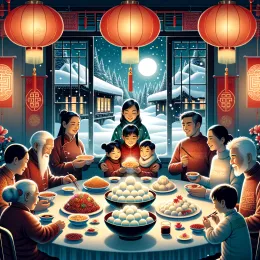
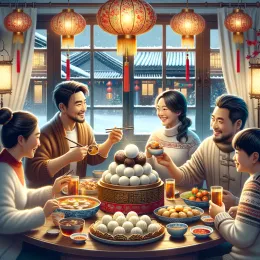
Another popular dish is tangyuan, sweet glutinous rice balls filled with various fillings such as sesame paste or red bean. These round dumplings symbolize family unity and togetherness, making them a perfect addition to the festive table.
Popular Foods During Dongzhi
| Food | Symbolism |
|---|---|
| Dumplings | Good luck and wealth |
| Tangyuan | Family unity and togetherness |
| Rice Porridge | Warmth and nourishment |
Family Reunions
Dongzhi is a time for families to come together, much like the reunion dinners celebrated during the Lunar New Year. Families often travel long distances to be with their loved ones, sharing stories, laughter, and delicious food. This gathering strengthens family bonds and allows for the passing down of traditions and cultural values.
During the festival, it is common for families to pay respects to their ancestors by setting up altars adorned with food offerings. This practice reflects the deep-rooted belief in honoring those who came before and acknowledging their influence on the family’s present and future.
Regional Variations
While Dongzhi is celebrated across China, various regions have their unique customs and traditions. In northern China, for instance, the focus is primarily on dumplings, while southern regions may emphasize sweet rice balls. These regional differences highlight the rich diversity of Chinese culture and the various ways people express their traditions.
In some areas, people also engage in outdoor activities, such as dragon dances or lantern displays, to celebrate the festival. These activities not only bring joy but also foster a sense of community and shared celebration.
Activities and Festivities
- Gathering for family meals
- Preparing and sharing traditional foods
- Honoring ancestors with offerings
- Participating in local events and performances
The Spiritual Aspect
Dongzhi is not only a time for physical celebration but also a period for spiritual reflection. Many people take this opportunity to meditate and contemplate their lives, setting intentions for the upcoming year. The festival serves as a reminder of the importance of balance in life, encouraging individuals to find harmony within themselves and their surroundings.
In traditional Chinese medicine, the winter solstice is seen as a time to nourish the body and soul. It is believed that consuming warm, hearty foods during this season can help strengthen the body against the cold and promote overall well-being.
Modern Celebrations
In contemporary China, Dongzhi continues to be a cherished festival, adapting to modern lifestyles while retaining its core values. Many families now incorporate technology into their celebrations, using social media to share their festivities with relatives and friends who cannot be present.
Moreover, urban areas often host public events, such as cultural performances and markets, where people can experience traditional customs and foods. These events foster a sense of community and allow younger generations to connect with their heritage.
Conclusion of the Celebration
As the festival draws to a close, families express gratitude for the time spent together and the memories created. Dongzhi serves as a reminder of the importance of family, tradition, and the cyclical nature of life. The warmth of the celebration lingers long after the festivities have ended, inspiring hope and unity as families look forward to the new year ahead.
Ultimately, the celebration of Dongzhi encapsulates the essence of Chinese culture, blending history, tradition, and modernity into a rich tapestry of experiences. It is a time to reflect on the past, celebrate the present, and look forward to the future with optimism and joy.

Best Examples of wishes






FAQ
Interesting Articles and Tips for holidays and wishes

How to Make Digital Invitations for Your Next Party

Top Tips for Creating Personalized Greeting Cards Online

Best Wishes: Crafting Unique Birthday Greetings Easily
Why AI Enhances Creativity in Writing Holiday Greetings
Celebrate Milestones with AI-Powered Congratulation Cards



Ваш отзыв добавлен!