








Create a card or greeting about Eid al-Adha with AI


Please wait 10–15 seconds while we create your unique greeting. This process ensures full personalization just for you! Do not leave or reload the page to avoid losing progress. Thank you for your patience!
Eid al-Adha: A Celebration of Sacrifice and Community
Eid al-Adha, also known as the Festival of Sacrifice, holds profound significance for Muslims around the world. This joyous occasion commemorates the willingness of Ibrahim (Abraham) to sacrifice his son in obedience to God’s command. It is a time of reflection, gratitude, and community bonding, celebrated with various customs and traditions that vary across cultures.
As the second of two Islamic holidays celebrated worldwide, it serves as a reminder of faith, devotion, and the importance of sharing blessings with others. The festival occurs during the last month of the Islamic lunar calendar, known as Dhu al-Hijjah, coinciding with the annual Hajj pilgrimage in Mecca.
Historical Background
The origins of this festival trace back to the Quran, where the story of Ibrahim is recounted. According to Islamic tradition, Ibrahim was commanded by God to sacrifice his beloved son, Isma’il (Ishmael). Just as he was about to carry out the command, God provided a ram to sacrifice instead, symbolizing mercy and divine intervention. This act of obedience is commemorated through the ritual sacrifice of an animal, typically a sheep, goat, or cow, during the festivities.
The festival not only honors Ibrahim’s faith but also highlights the themes of sacrifice and charity. It serves as a reminder for Muslims to reflect on their own lives and the sacrifices they make for their loved ones and communities.
Rituals and Traditions
Celebrations vary widely across different cultures, yet several core rituals unite Muslims worldwide during this festival.
- Prayer: The day begins with a special congregational prayer, typically held in large open areas or mosques, where communities gather to perform the Eid prayer.
- Animal Sacrifice: Following the prayer, families partake in the ritual sacrifice, dividing the meat into three parts: one for themselves, one for friends and family, and one for those in need.
- Charity: Giving to the less fortunate is a fundamental aspect of the festival, emphasizing the importance of sharing blessings and helping those in need.
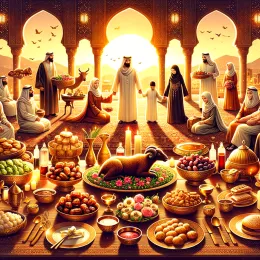
- Feasting: Families and friends come together to enjoy lavish meals, often featuring traditional dishes that vary by region, celebrating the spirit of togetherness.
Prayer and Reflection
The morning of Eid al-Adha begins with a special prayer, known as Salat al-Eid. This prayer includes a sermon (khutbah) delivered by the imam, focusing on the importance of sacrifice, community, and compassion. Attending this prayer is a communal obligation, reinforcing the bonds of brotherhood and sisterhood among Muslims.
In many communities, the prayer is followed by a moment of reflection, where individuals contemplate their personal sacrifices and the blessings in their lives. This introspection fosters a spirit of gratitude and humility, essential elements of the festival.
Animal Sacrifice: A Symbol of Faith
The ritual sacrifice, known as Qurbani, is one of the most significant aspects of Eid al-Adha. Families who can afford to do so will purchase an animal to be sacrificed, honoring the legacy of Ibrahim. The act of sacrifice is not merely a tradition; it symbolizes the willingness to give up something valuable for the sake of God.
Once the animal is sacrificed, the meat is divided into three portions: one-third is kept for the family, one-third is shared with friends and relatives, and one-third is donated to those in need. This distribution underscores the festival’s emphasis on charity and community support.
Cultural Variations
While the core principles of Eid al-Adha remain constant, the ways in which it is celebrated can differ significantly across cultures and regions. In some countries, the festivities may last several days, filled with various cultural events and activities.
- In Turkey: The holiday is known as Kurban Bayramı, and it is common for families to visit the graves of loved ones, paying respects and remembering those who have passed.
- In South Asia: The festival is marked by vibrant bazaars, where people shop for new clothes and festive foods. Traditional dishes such as biryani and kebabs are popular during this time.
- In Africa: Many communities engage in communal prayers and feasts, showcasing local customs and traditional attire, emphasizing unity and celebration.
Feasting and Festivities
Food plays a central role in the celebrations, with families preparing special dishes to share with loved ones. Traditional meals often include a variety of meats, rice dishes, and sweets. In many cultures, it is customary to invite neighbors and friends to partake in the feast, reinforcing the spirit of community and togetherness.
In addition to the meals, various cultural events may take place, such as music and dance performances, showcasing the rich heritage of the region. These festivities create a lively atmosphere, filled with joy and camaraderie.
Global Impact and Unity
Eid al-Adha serves as a powerful reminder of the global Muslim community, transcending geographical boundaries. Regardless of where one is in the world, the core values of faith, sacrifice, and charity resonate deeply among Muslims.
The festival promotes unity, as millions gather in prayer and celebration, reinforcing the bonds of brotherhood and sisterhood. This sense of global community is particularly evident during the Hajj pilgrimage, where Muslims from diverse backgrounds come together in Mecca, embodying the spirit of equality and solidarity.
Charitable Initiatives
In the spirit of giving, many organizations and individuals take the opportunity during Eid al-Adha to support charitable initiatives. This includes providing food and resources to those in need, both locally and globally. Various charities organize campaigns to distribute meat from the Qurbani to impoverished communities, ensuring that everyone can partake in the joy of the festival.
Through these charitable efforts, the essence of Eid al-Adha is amplified, as it emphasizes the importance of compassion and generosity. The festival becomes not only a time of celebration but also a platform for making a positive impact in the lives of others.
Personal Reflection and Growth
For many, Eid al-Adha is a time for personal reflection and growth. The themes of sacrifice and gratitude encourage individuals to assess their own lives, fostering a deeper understanding of their values and priorities. It is an opportunity to reconnect with faith and to consider the sacrifices made for the well-being of loved ones and the community.
This introspection can lead to personal growth, as individuals strive to embody the principles of kindness, generosity, and compassion in their daily lives. The festival serves as a catalyst for positive change, inspiring many to take action in their communities and beyond.
Conclusion of Celebrations
As the festivities come to a close, the spirit of Eid al-Adha lingers in the hearts of those who celebrated. The memories of communal prayers, shared meals, and acts of charity create lasting impressions that resonate throughout the year.
Ultimately, the festival serves as a reminder of the importance of faith, community, and the values that bind us together. It encourages individuals to carry the lessons learned during this special time into their everyday lives, fostering a sense of unity and compassion that transcends cultural and geographical boundaries.
Wishes for Other Holidays

Best Examples of wishes












FAQ
Interesting Articles and Tips for holidays and wishes

Valentine’s Day Mistakes: What You Should Avoid

How to Celebrate Valentine’s Day in a Long-Distance Relationship

Love Quotes and Phrases for Valentine’s Day

Romantic Valentine’s Day at Home: Cozy Date Ideas

What to Write in a Valentine’s Card: Sweet and Romantic Texts



Ваш отзыв добавлен!