








Create a card or greeting about Eid al-Fitr with AI


Please wait 10–15 seconds while we create your unique greeting. This process ensures full personalization just for you! Do not leave or reload the page to avoid losing progress. Thank you for your patience!
Eid al-Fitr Celebrations Around the World
Eid al-Fitr marks the end of Ramadan, the holy month of fasting observed by millions of Muslims worldwide. This festive occasion is a time of joy, gratitude, and community, celebrated with various traditions and customs that reflect the diverse cultures of the Muslim world. From special prayers to festive meals, the day is filled with moments of reflection and togetherness.
Significance of Eid al-Fitr
The significance of this holiday extends beyond mere celebration. It symbolizes the spiritual rejuvenation that follows a month of fasting and devotion. Muslims believe that Eid al-Fitr is a reward from Allah for their efforts during Ramadan, encouraging acts of charity and kindness. The day serves as a reminder of the values of compassion, gratitude, and unity.
Spiritual Practices
On the morning of Eid, Muslims gather for a special prayer known as the Salat al-Eid. This prayer is typically performed in large congregations at mosques or open fields, allowing the community to come together in worship. The sermon that follows emphasizes the importance of charity, reminding attendees to give to those in need.
Festive Traditions
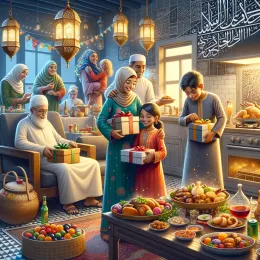
Celebrations vary widely across different regions, each incorporating unique customs that enhance the festive atmosphere. In many cultures, families prepare special meals featuring traditional dishes. These meals often include sweets, which symbolize the joy of the occasion. Sharing food with neighbors and the less fortunate is a common practice, reinforcing the spirit of community and generosity.
Global Celebrations
In Indonesia, the largest Muslim-majority country, the holiday is known as Lebaran. Families often return to their hometowns to celebrate with loved ones, creating a vibrant atmosphere filled with joy. In Turkey, the holiday is called Şeker Bayramı, or Sugar Festival, highlighting the importance of sweets in the celebrations. In Pakistan, colorful bazaars come alive with shoppers purchasing new clothes and gifts for the occasion.
Traditional Foods
Food plays a central role in the festivities, with each culture offering its own traditional dishes. Common items include:
- Biryani – A fragrant rice dish often served with meat.
- Samosas – Fried or baked pastry filled with spiced potatoes or meat.
- Kheer – A sweet rice pudding garnished with nuts and raisins.
- Baklava – A rich pastry made of layers of filo dough filled with nuts and honey.
These dishes not only satisfy hunger but also symbolize the abundance and blessings of the day.
Gifts and Charity
Exchanging gifts is a common practice, particularly among family and friends. Children often receive money or presents, which adds to their excitement and joy. Additionally, the act of giving is emphasized through the practice of Zakat al-Fitr, a form of charity that is obligatory before the Eid prayer. This ensures that everyone, regardless of their financial situation, can partake in the celebrations.
Cultural Variations
The way Eid al-Fitr is celebrated can vary significantly based on cultural influences. In Egypt, for instance, people often adorn their homes with colorful decorations and lights. In Saudi Arabia, traditional dances and music are an integral part of the festivities, showcasing the rich cultural heritage of the region. In Western countries, Muslims may host community events that foster inclusivity and understanding among diverse populations.
Community Involvement
Community involvement is a key aspect of the celebrations. Many mosques organize events that bring together people from different backgrounds, fostering unity and understanding. These gatherings often include activities for children, such as face painting and games, creating an inclusive environment for families.
Reflections and Gratitude
As the festivities unfold, many take a moment to reflect on the lessons learned during Ramadan. The emphasis on gratitude and appreciation for life’s blessings is central to the day’s spirit. It is a time to express thanks for the strength to fast, the support of family and friends, and the ability to help those in need.
Conclusion of the Celebrations
As the day comes to a close, families often gather once more to share stories and reminisce about the day’s events. The bonds strengthened during this time create lasting memories and reinforce the importance of community. Eid al-Fitr is not just a celebration; it is a reaffirmation of faith, family, and the values that unite people across the globe.

Best Examples of wishes












FAQ
Interesting Articles and Tips for holidays and wishes

How to Make Digital Invitations for Your Next Party

Top Tips for Creating Personalized Greeting Cards Online

Best Wishes: Crafting Unique Birthday Greetings Easily
Why AI Enhances Creativity in Writing Holiday Greetings

Celebrate Milestones with AI-Powered Congratulation Cards



Ваш отзыв добавлен!