








Create a card or greeting about Election Day with AI


Please wait 10–15 seconds while we create your unique greeting. This process ensures full personalization just for you! Do not leave or reload the page to avoid losing progress. Thank you for your patience!
Understanding Election Day in the USA
Election Day is a significant event in the United States, marking the culmination of a long electoral process. It is the day when citizens exercise their right to vote, making their voices heard in the democratic process. This day holds immense importance as it shapes the future of the nation by determining who will hold key positions in government.
The tradition of holding elections on a specific day dates back to the early years of the republic. Over time, it has evolved into a well-organized event that engages millions of Americans. Understanding the history, significance, and customs associated with this day can enhance one’s appreciation of the democratic process.
The Historical Context of Election Day
The origins of Election Day can be traced to the establishment of the United States as a democratic nation. Initially, elections were held on different days across various states, which created confusion and inconsistency. In 1845, Congress standardized the election date to the first Tuesday after the first Monday in November, a decision aimed at simplifying the voting process.
This timing was chosen to avoid conflicts with harvest season, allowing agrarian citizens to participate without the burden of farming duties. Over the years, this tradition has remained, reflecting the nation’s commitment to ensuring accessibility for all voters.
Significance of Voting
Voting is not merely a civic duty; it is a fundamental right that empowers citizens to influence their government. Each vote represents an individual’s opinion on critical issues, from local policies to national governance. During Election Day, voters have the opportunity to express their values and priorities through their choices.
The act of voting fosters a sense of community and belonging, as individuals come together to participate in a shared democratic experience. It is essential for citizens to recognize the power they hold in shaping their society and to engage actively in the electoral process.
How Election Day is Celebrated
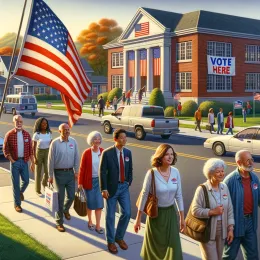
Election Day is marked by various activities and traditions across the country. Many communities organize events to encourage voter participation, such as rallies, informational sessions, and family-friendly gatherings. These events aim to raise awareness about the importance of voting and to educate citizens about the electoral process.
In addition to community efforts, many people take the day off work to ensure they can fulfill their civic duty. Schools often incorporate lessons about the electoral process, emphasizing the importance of informed voting to students. This educational aspect helps to instill a sense of responsibility in future generations.
Voting Methods and Accessibility
In the modern era, various voting methods are available to accommodate different needs and preferences. While in-person voting remains popular, absentee ballots and early voting options have gained traction, allowing more people to participate in the electoral process.
Accessibility is a critical concern, and many states have implemented measures to ensure that all citizens can vote, including provisions for individuals with disabilities. These efforts reflect a commitment to inclusivity and the belief that every voice matters.
The Role of Technology in Elections
Technology has transformed the electoral landscape, making it easier for voters to access information and participate in the process. Online voter registration, information portals, and social media campaigns play a significant role in engaging citizens and encouraging turnout.
However, the rise of technology also brings challenges, such as concerns about cybersecurity and misinformation. It is crucial for voters to seek reliable sources of information and to be aware of the potential pitfalls of the digital age.
Election Day Around the Country
While the core principles of Election Day remain consistent, the way it is celebrated can vary significantly from one state to another. Different states have unique laws and regulations governing the electoral process, which can influence how citizens engage with the day.
Some states have adopted innovative practices, such as vote-by-mail systems, while others maintain traditional polling places. Understanding these differences can provide valuable insights into the diverse political landscape of the United States.
Voter Turnout Trends
Historically, voter turnout has fluctuated, influenced by various factors such as the competitiveness of the election, the demographics of the electorate, and the effectiveness of outreach efforts. Recent elections have seen a surge in participation, particularly among younger voters, reflecting a renewed interest in civic engagement.
Efforts to increase turnout include grassroots campaigns, educational initiatives, and partnerships with community organizations. These strategies aim to mobilize underrepresented groups and ensure that all voices are heard during the electoral process.
Challenges Faced on Election Day
Despite the significance of Election Day, challenges persist that can hinder voter participation. Long lines at polling places, misinformation, and logistical issues can create barriers for citizens trying to cast their votes. Addressing these challenges is crucial to ensuring a fair and efficient electoral process.
Election officials and community organizations work tirelessly to mitigate these issues, implementing strategies to streamline the voting process and educate voters about their rights. It is essential for citizens to be informed and prepared to navigate any obstacles they may encounter.
The Impact of Election Day on Local Communities
Election Day has a profound impact on local communities, shaping policies that affect daily life. Decisions made on this day can influence education, public safety, healthcare, and infrastructure, underscoring the importance of local elections.
Engaging with local issues and candidates allows citizens to advocate for their communities and address specific needs. Grassroots movements often emerge around local elections, highlighting the power of collective action and the desire for change.
The Future of Elections in the USA
As the political landscape continues to evolve, so too will the practices surrounding Election Day. Emerging technologies, changing demographics, and shifting societal values will all play a role in shaping the future of the electoral process.
Continued advocacy for voter rights and accessibility will be essential in ensuring that the democratic process remains robust and inclusive. As citizens, it is vital to stay informed and engaged, participating actively in shaping the future of the nation.
Conclusion
Election Day is more than just a date on the calendar; it represents the essence of democracy in the United States. By understanding its historical significance, celebrating the act of voting, and recognizing the challenges and opportunities that arise, citizens can fully appreciate the importance of their participation in this vital process. The future of democracy depends on the engagement of its citizens, making every Election Day an opportunity for change.

Best Examples of wishes












FAQ
Interesting Articles and Tips for holidays and wishes

How to Make Digital Invitations for Your Next Party

Top Tips for Creating Personalized Greeting Cards Online

Best Wishes: Crafting Unique Birthday Greetings Easily

Why AI Enhances Creativity in Writing Holiday Greetings

Celebrate Milestones with AI-Powered Congratulation Cards



Ваш отзыв добавлен!