








Create a card or greeting about Hajj with AI


Please wait 10–15 seconds while we create your unique greeting. This process ensures full personalization just for you! Do not leave or reload the page to avoid losing progress. Thank you for your patience!
Hajj: A Journey of Faith and Unity
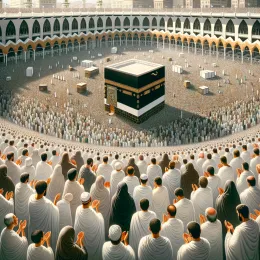
The pilgrimage to Mecca, known as Hajj, is one of the most significant events in the Islamic calendar. Every year, millions of Muslims from around the globe gather in Saudi Arabia to partake in this sacred journey. It is a time of reflection, devotion, and spiritual rejuvenation, where individuals seek forgiveness and a deeper connection with their faith. The rituals performed during this period are steeped in tradition and carry profound meaning, symbolizing the unity of the Muslim community.
Historical Significance of Hajj
The origins of Hajj date back to the time of the Prophet Ibrahim (Abraham), who, according to Islamic belief, was commanded by God to establish the Kaaba as a place of worship. This sacred structure, located in the heart of Mecca, serves as a focal point for millions of pilgrims. Throughout history, the pilgrimage has evolved, yet its core principles remain unchanged, emphasizing submission to God and the importance of community.
The Rituals of Hajj
The pilgrimage consists of several key rituals that are performed over a span of five days. Each act holds deep spiritual significance, allowing pilgrims to express their devotion and seek purification. The main rituals include:
- Ihram: The state of spiritual purity that pilgrims enter before commencing their journey.
- Tawaf: The act of circling the Kaaba seven times in a counter-clockwise direction.
- Sa’i: Walking seven times between the hills of Safa and Marwah, commemorating Hagar’s search for water.
- Standing at Arafat: A day of prayer and reflection at the plain of Arafat, considered the pinnacle of the pilgrimage.
- Stoning of the Devil: Throwing pebbles at three pillars, symbolizing the rejection of evil.
- Eid al-Adha: The celebration of sacrifice, commemorating Ibrahim’s willingness to sacrifice his son.
The Spiritual Journey
For many, the journey to Mecca is not just a physical undertaking but a profound spiritual experience. Pilgrims often describe feelings of peace, unity, and a sense of belonging to a larger community. The atmosphere in Mecca during this time is electrifying, filled with chants of devotion and the sight of diverse cultures coming together in worship. This shared experience fosters a sense of brotherhood and sisterhood among participants, transcending geographical and cultural boundaries.
The Role of Community
Hajj emphasizes the importance of community in Islam. Pilgrims often travel in groups, sharing their experiences and supporting one another throughout the journey. This collective spirit is further enhanced by the diverse backgrounds of the participants, showcasing the global nature of the Muslim faith. The sense of unity is palpable, reminding everyone that they are part of a larger ummah, or community of believers.
Preparation for Hajj
Preparing for Hajj involves both physical and spiritual readiness. Pilgrims often spend months, if not years, preparing for this momentous occasion. This preparation includes learning about the rituals, understanding the significance of each act, and ensuring they are in good health. Many also engage in acts of charity and seek forgiveness for past transgressions, reinforcing their commitment to faith.
Health and Safety Considerations
Given the large number of participants, health and safety are paramount during Hajj. Authorities in Saudi Arabia implement various measures to ensure the well-being of pilgrims. Vaccinations, health screenings, and emergency services are readily available. Pilgrims are encouraged to stay hydrated and take necessary precautions to avoid heat-related illnesses, particularly during the summer months.
The Economic Impact of Hajj
The influx of millions of pilgrims significantly boosts the economy of Saudi Arabia. Hotels, restaurants, and local businesses thrive during this period, contributing to the overall economic landscape. The government invests heavily in infrastructure to accommodate the needs of pilgrims, ensuring that they have a comfortable and safe experience.
Challenges Faced by Pilgrims
While Hajj is a deeply rewarding experience, it is not without its challenges. Long queues, crowded spaces, and the physical demands of the rituals can be overwhelming. Pilgrims often face logistical issues, such as transportation and accommodation. However, the collective spirit of the pilgrimage helps individuals navigate these challenges, fostering resilience and camaraderie.
Personal Stories from the Pilgrimage
Many pilgrims return home with transformative stories that highlight the impact of their journey. These narratives often revolve around moments of profound spirituality, encounters with fellow pilgrims, and personal revelations. Such experiences can lead to a renewed sense of purpose and a deeper commitment to one’s faith.
Hajj in Modern Times
In recent years, the experience of Hajj has evolved with the introduction of technology. Pilgrims now have access to apps that provide information on rituals, maps of the holy sites, and real-time updates on crowd management. These advancements enhance the overall experience, making it easier for individuals to navigate the pilgrimage.
The Global Significance of Hajj
The pilgrimage holds significance beyond the borders of Saudi Arabia. It serves as a reminder of the values of humility, sacrifice, and devotion that are central to Islam. The collective prayers of millions resonate throughout the world, promoting peace and understanding among diverse communities. Hajj reinforces the idea that faith can unite people from different backgrounds, fostering a sense of global solidarity.
Environmental Considerations
As the number of pilgrims continues to grow, environmental sustainability becomes an important consideration. The Saudi government has implemented various initiatives to reduce the ecological footprint of the pilgrimage, including waste management programs and sustainable transportation options. These efforts aim to preserve the sanctity of the holy sites while accommodating the needs of millions.
Conclusion of the Journey
Completing the pilgrimage is a momentous achievement for many Muslims. It symbolizes not just a physical journey but a spiritual transformation. Pilgrims return home with a renewed sense of faith and a commitment to embody the teachings of Islam in their daily lives. The experience of Hajj leaves an indelible mark on the hearts of those who partake, serving as a beacon of hope and inspiration for future generations.

Best Examples of wishes












FAQ
Interesting Articles and Tips for holidays and wishes

Valentine’s Day Mistakes: What You Should Avoid

How to Celebrate Valentine’s Day in a Long-Distance Relationship

Love Quotes and Phrases for Valentine’s Day

Romantic Valentine’s Day at Home: Cozy Date Ideas

What to Write in a Valentine’s Card: Sweet and Romantic Texts



Ваш отзыв добавлен!