






Create a card or greeting about Laba Festival with AI

One generation creates a greeting text and one image. You have 1 of 1 generations left today.
Register or sign in to receive two generations per day and free Advanced Options.

Please wait 10–15 seconds while we create your unique greeting. This process ensures full personalization just for you! Do not leave or reload the page to avoid losing progress. Thank you for your patience!
Laba Festival: A Cultural Celebration in China
The Laba Festival, celebrated on the eighth day of the twelfth lunar month, marks the beginning of the Chinese New Year festivities. This vibrant occasion is deeply rooted in tradition and offers a glimpse into the rich cultural heritage of China. Families come together to prepare special dishes, engage in various activities, and honor their ancestors, making this festival a significant event in the Chinese calendar.
Historical Significance
The origins of the festival can be traced back to ancient times, where it was primarily a harvest celebration. It is believed that the Laba Festival was initially a way to express gratitude for the year’s harvest and to prepare for the upcoming new year. Over the centuries, this celebration has evolved, incorporating various customs and practices that reflect the local culture and traditions.
Traditional Foods
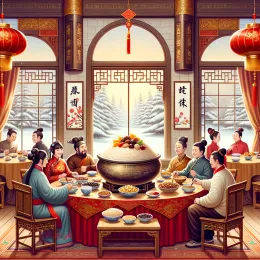
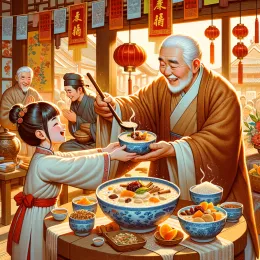
One of the most iconic aspects of the Laba Festival is the preparation of Laba congee, a special rice porridge made with a variety of ingredients. This dish symbolizes abundance and prosperity, as it is often made with grains, nuts, and dried fruits. Families gather to cook and enjoy this warm, nourishing meal, which is believed to bring good fortune for the year ahead.
In addition to Laba congee, other traditional foods are also prepared during this festival. These may include:
- Pickled vegetables
- Steamed buns
- Dumplings
- Various meat dishes
Each dish carries its own significance, often representing wealth, health, and happiness.
Customs and Traditions
The Laba Festival is not just about food; it is also a time for various customs and rituals that have been passed down through generations. Families often pay respects to their ancestors by making offerings and visiting ancestral graves. This practice reinforces family bonds and honors the legacy of those who came before.
Another popular tradition is the making of Laba garlic, where garlic cloves are soaked in vinegar, turning them blue. This unique preparation is believed to ward off evil spirits and bring good luck. Many families enjoy this tangy condiment alongside their meals during the festival.
Celebratory Activities
Throughout the festival, communities come alive with various celebratory activities. In many regions, people participate in lion dances, dragon dances, and other cultural performances that showcase local talent and traditions. These activities not only entertain but also strengthen community ties and foster a sense of belonging.
Markets and fairs are also common during this time, where vendors sell traditional crafts, foods, and decorations. The vibrant atmosphere is filled with the sounds of laughter, music, and the aroma of delicious food, creating a festive spirit that resonates with everyone.
Regional Variations
While the Laba Festival is celebrated nationwide, regional variations exist that reflect local customs and traditions. In some areas, the festival may feature unique dishes or specific rituals that are not found elsewhere. For example, in certain provinces, the emphasis may be placed on different types of congee or specific offerings made to ancestors.
These regional differences add to the richness of the festival, allowing for a diverse tapestry of celebrations across the country. Visitors to China during this time can experience a wide array of cultural expressions, each offering its own unique flavor and significance.
Modern Celebrations
In contemporary times, the Laba Festival has adapted to modern society while still retaining its traditional essence. Many young people now participate in online celebrations, sharing their experiences and holiday preparations on social media platforms. This fusion of tradition and modernity creates a unique dynamic that keeps the spirit of the festival alive.
Moreover, local governments often organize large-scale events to promote cultural heritage, featuring performances, exhibitions, and food fairs. These initiatives not only celebrate the festival but also educate younger generations about their cultural roots.
Festivals Around the World
As the Laba Festival continues to thrive, it is interesting to note how similar celebrations occur in various cultures around the world. Many societies have their own unique festivals that mark the end of the harvest season and the beginning of a new year. These celebrations often include feasting, community gatherings, and rituals that honor ancestors and express gratitude.
Understanding these connections between cultures can foster a greater appreciation for diversity and the shared human experience. Festivals like Laba serve as a reminder of the importance of tradition, family, and community.
Conclusion
The Laba Festival is a beautiful celebration that encapsulates the essence of Chinese culture. From its historical roots to modern-day practices, this festival continues to bring families and communities together in joyous celebration. As people come together to honor traditions, prepare special dishes, and engage in festive activities, they create lasting memories that will be cherished for generations to come.
Wishes for Other Holidays

Best Examples of wishes









FAQ
Interesting Articles and Tips for holidays and wishes

Crafting heartfelt wishes for weddings and engagements
Celebrating life’s milestones: inspirational ways to mark new beginnings

Creative ways to congratulate colleagues on new job changes

Heartfelt graduation wishes to inspire new beginnings

Welcoming new life: celebrating family growth and joyful milestones


Your review has been submitted!