






Create a card or greeting about Memorial Service with AI

One generation creates a greeting text and one image. You have 1 of 1 generations left today.
Register or sign in to receive two generations per day and free Advanced Options.

Please wait 10–15 seconds while we create your unique greeting. This process ensures full personalization just for you! Do not leave or reload the page to avoid losing progress. Thank you for your patience!
Memorial Service: A Global Tradition of Remembrance
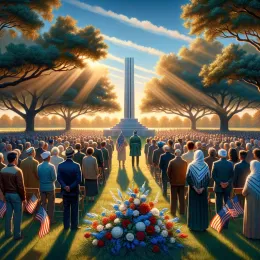
A memorial service is a profound occasion celebrated worldwide, offering individuals and communities an opportunity to honor and remember those who have passed away. This solemn event transcends cultural boundaries, reflecting a universal need to acknowledge loss and celebrate life. Families and friends gather to share memories, express grief, and find solace in one another’s presence.
Across various cultures, memorial services take on unique forms, often influenced by religious beliefs, traditions, and personal preferences. From intimate gatherings to grand ceremonies, these observances provide a space for reflection and healing. Understanding the significance of such events can deepen our appreciation for the diverse ways people commemorate life.
The Purpose of Memorial Services
The primary purpose of a memorial service is to honor the deceased while providing comfort to the bereaved. This gathering allows attendees to express their sorrow and support one another during a challenging time. It serves as a reminder of the impact the deceased had on their lives and the legacy they leave behind.
Additionally, memorial services facilitate the grieving process. They offer a structured environment where individuals can share stories, reminisce about joyful moments, and articulate their feelings. This communal aspect fosters a sense of belonging and understanding, helping participants navigate their emotions together.
Common Elements of Memorial Services
While memorial services can vary widely, certain elements are commonly found in many traditions. These components often include:
- Speeches and Eulogies: Friends and family members may share personal anecdotes and reflections on the deceased’s life, highlighting their achievements and character.
- Music: Songs that held significance for the departed or their loved ones are often played, creating an emotional atmosphere.
- Visual Tributes: Photographs and videos can be displayed, allowing attendees to visually connect with the memories shared.
- Rituals: Many cultures incorporate specific rituals, such as lighting candles, releasing balloons, or offering prayers, to honor the deceased.
Cultural Variations in Memorial Services
Across the globe, memorial services reflect the rich tapestry of cultural traditions. Each culture brings its unique practices and beliefs to the observance of loss. Here are a few notable examples:
Western Traditions
In many Western countries, memorial services often take place in funeral homes, churches, or community centers. They typically include a formal program with readings, music, and speeches. The emphasis is often on celebrating the life of the individual, with an open invitation for attendees to share their memories.
Eastern Traditions
In Eastern cultures, such as those influenced by Buddhism or Hinduism, memorial services may incorporate specific religious rituals. For instance, in Hinduism, ceremonies often include the lighting of lamps and chanting of mantras to guide the soul’s journey. In Buddhism, memorial services may focus on meditation and reflection, emphasizing the impermanence of life.
African Traditions
African cultures often celebrate life through vibrant memorial services filled with music, dance, and storytelling. These gatherings can be lively, reflecting the belief that the deceased continues to live on through the memories of their loved ones. Community participation is crucial, as it reinforces social bonds and shared grief.
Planning a Memorial Service
Planning a memorial service involves several important considerations. The process can be overwhelming, but taking time to reflect on the wishes of the deceased and the preferences of the family can lead to a meaningful tribute.
Key steps in planning include:
- Choosing a Location: Select a venue that holds significance or is convenient for attendees.
- Setting a Date and Time: Consider the availability of key family members and friends when scheduling the service.
- Creating a Guest List: Compile a list of individuals who should be invited, ensuring that the deceased’s closest friends and family are included.
- Deciding on the Program: Plan the structure of the service, including speakers, music, and any rituals to be performed.
Personalizing the Service
Personal touches can transform a memorial service into a truly unique celebration of life. Incorporating elements that reflect the personality and interests of the deceased can make the event more meaningful for attendees. Considerations might include:
- Favorite Hobbies: Displaying items related to the deceased’s passions, such as sports memorabilia or art, can spark fond memories.
- Favorite Foods: Serving the deceased’s favorite dishes can create a comforting atmosphere and encourage sharing stories over a meal.
- Memory Tables: Setting up a table with photographs, letters, and mementos allows guests to engage with the memories of the departed.
Support for the Bereaved
During this challenging time, it’s essential to provide support for those grieving. Friends and family can play a crucial role in helping the bereaved navigate their emotions and find solace. Simple acts of kindness, such as preparing meals or offering a listening ear, can make a significant difference.
Additionally, professional support services, such as grief counselors and support groups, can provide valuable resources for those struggling with loss. Encouraging open conversations about grief can help normalize the experience and foster healing.
Memorial Services in the Digital Age
The rise of technology has transformed how memorial services are conducted. Virtual memorials and live-streamed events have become increasingly popular, allowing distant friends and family to participate in honoring their loved ones. This accessibility can be particularly comforting for those unable to attend in person.
Online platforms also provide opportunities for sharing memories and tributes. Social media can serve as a space for collective mourning, where individuals can post photos, videos, and messages that celebrate the life of the deceased.
The Future of Memorial Services
As society continues to evolve, so too will the ways in which we commemorate life. Future memorial services may incorporate even more personalized elements, reflecting the individuality of the deceased. The blending of traditional practices with modern technology will likely shape how we remember those we have lost, ensuring that their legacies endure.
Conclusion
Memorial services play a vital role in the grieving process, offering a space for reflection, remembrance, and healing. By understanding the diverse cultural practices and personalizing these events, we can create meaningful tributes that honor the lives of those we have loved. In a world that often feels disconnected, these gatherings remind us of the importance of community and shared experiences in navigating loss.

Best Examples of wishes









FAQ
Interesting Articles and Tips for holidays and wishes

Heartfelt ways to congratulate on a new home and property

Messages for personal growth and health milestones

Spotlighting success: how recognizing achievements boosts motivation

Ideas to celebrate from your beautiful wedding to anniversaries

Crafting the perfect message: Well wishes and congratulations


Your review has been submitted!