






Create a card or greeting about National EMS Week with AI

One generation creates a greeting text and one image. You have 1 of 1 generations left today.
Register or sign in to receive two generations per day and free Advanced Options.

Please wait 10–15 seconds while we create your unique greeting. This process ensures full personalization just for you! Do not leave or reload the page to avoid losing progress. Thank you for your patience!
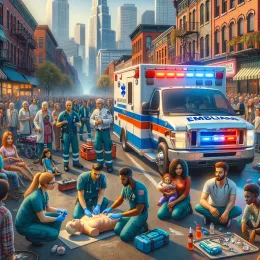
Celebrating Emergency Medical Services
Every year, communities around the globe come together to honor the dedicated professionals who serve as the backbone of emergency medical services. This celebration highlights the critical role these individuals play in ensuring public safety and health. From paramedics to emergency medical technicians, their contributions are invaluable and deserve recognition.
The Importance of EMS in Our Communities
Emergency medical services are essential for providing immediate care during critical situations. These professionals are trained to respond swiftly and effectively, often making life-saving decisions under pressure. Their expertise not only aids in medical emergencies but also fosters a sense of security within the community.
During this special week, various activities and events are organized to raise awareness about the vital work performed by EMS professionals. Communities engage in educational programs, health fairs, and public demonstrations that showcase the skills and knowledge required in this field.
History of Emergency Medical Services
The roots of emergency medical services can be traced back to the early 1960s when the need for organized medical response became evident. Over the decades, EMS has evolved significantly, integrating advanced technology and comprehensive training programs. This evolution has led to improved patient outcomes and a more structured approach to emergency care.
As the field continues to grow, new challenges emerge, requiring EMS professionals to adapt and enhance their skills. This ongoing development is celebrated during the observance of this important week.
Key Milestones in EMS History
- 1966: The National Academy of Sciences published “Accidental Death and Disability: The Neglected Disease of Modern Society,” highlighting the need for improved emergency care.
- 1972: The establishment of the National Highway Traffic Safety Administration’s EMS program marked a significant step in formalizing emergency medical services.
- 1980s: The introduction of Advanced Life Support (ALS) protocols revolutionized pre-hospital care.
- 2000s: The incorporation of technology, such as GPS and telemedicine, has transformed the way EMS operates.
Recognizing the Heroes of EMS
During this week, communities take the time to express gratitude to those who serve in this demanding profession. Recognition comes in various forms, from public ceremonies to awards honoring outstanding individuals. These gestures serve to uplift the morale of EMS personnel and remind them of the impact they have on countless lives.
Many organizations also participate by hosting events that promote teamwork and camaraderie among EMS professionals. These gatherings foster a sense of belonging and encourage ongoing professional development.
Ways to Show Appreciation
- Organizing community events to honor local EMS teams.
- Creating social media campaigns to highlight stories of EMS heroes.
- Encouraging schools and local businesses to participate in appreciation activities.
- Providing meals or refreshments during shifts to show support.
Education and Training in EMS
Education is a cornerstone of effective emergency medical services. Continuous training ensures that EMS professionals are equipped with the latest knowledge and skills necessary to handle diverse medical emergencies. Many organizations offer workshops, simulations, and refresher courses to keep personnel updated.
Furthermore, public awareness campaigns during this week emphasize the importance of CPR and first aid training for community members. Empowering citizens with these skills can save lives and enhance the overall effectiveness of emergency response efforts.
Essential Training Programs
| Program | Description |
|---|---|
| Basic Life Support (BLS) | Training for healthcare providers in CPR and emergency cardiovascular care. |
| Advanced Cardiac Life Support (ACLS) | Advanced training for managing cardiac emergencies. |
| Pediatric Advanced Life Support (PALS) | Specialized training for managing emergencies in infants and children. |
| Trauma Life Support (TLS) | Focused on the assessment and management of trauma patients. |
The Role of Technology in EMS
Advancements in technology have significantly impacted the efficiency and effectiveness of emergency medical services. From sophisticated communication systems to state-of-the-art equipment, technology plays a crucial role in enhancing patient care.
During the observance of this week, discussions often revolve around how technology can further improve EMS operations. Innovations such as mobile apps for dispatching, electronic health records, and telemedicine are changing the landscape of emergency care.
Innovative Technologies in EMS
- Mobile data terminals for real-time information access.
- Automated external defibrillators (AEDs) for immediate cardiac care.
- Wearable devices that monitor vital signs during transport.
- Drones for delivering medical supplies in remote areas.
Community Involvement and EMS
Community support is vital for the success of emergency medical services. Local citizens play an essential role in advocating for resources and funding that enhance EMS capabilities. Engaging the community fosters a collaborative environment where everyone works together to ensure safety and preparedness.
During this special week, communities are encouraged to participate in discussions about emergency preparedness and response. Workshops and seminars provide valuable information on how citizens can assist in emergency situations, further strengthening the bond between EMS professionals and the public.
How Communities Can Get Involved
- Participating in local emergency preparedness drills.
- Joining or forming community support groups for EMS.
- Volunteering for events that promote health and safety awareness.
The Future of Emergency Medical Services
As we look to the future, the landscape of emergency medical services continues to evolve. Emerging trends, such as integrated healthcare systems and community paramedicine, are shaping the direction of this vital field. The focus is increasingly on preventive care and addressing social determinants of health.
Moreover, ongoing research and data analysis will play a crucial role in improving response times and patient outcomes. Innovations in training and technology will ensure that EMS professionals are prepared for the challenges ahead.
Future Trends in EMS
- Increased emphasis on mental health support for EMS personnel.
- Integration of EMS with primary care providers.
- Expansion of telehealth services in emergency response.
- Focus on community health initiatives to reduce emergency calls.
Conclusion of the Celebration
This week serves as a reminder of the dedication and sacrifice of those who work tirelessly in emergency medical services. Their commitment to saving lives and serving communities is truly commendable. As we celebrate their achievements, it is essential to continue advocating for the resources and support they need to perform their critical duties effectively.
By recognizing and appreciating the efforts of EMS professionals, we contribute to a culture of respect and gratitude that benefits everyone. This celebration not only honors their past achievements but also inspires future generations to pursue careers in this noble field.

Best Examples of wishes













FAQ
Interesting Articles and Tips for holidays and wishes

Heartfelt ways to congratulate on a new home and property

Messages for personal growth and health milestones
Spotlighting success: how recognizing achievements boosts motivation

Ideas to celebrate from your beautiful wedding to anniversaries

Crafting the perfect message: Well wishes and congratulations


Your review has been submitted!