








Create a card or greeting about World Television Day with AI


Please wait 10–15 seconds while we create your unique greeting. This process ensures full personalization just for you! Do not leave or reload the page to avoid losing progress. Thank you for your patience!
Celebrating the Impact of Television
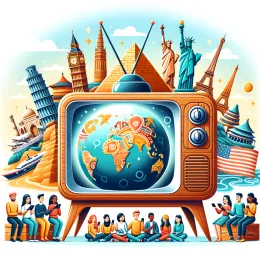
Every year, people around the globe come together to celebrate the influence of television on society. This day recognizes the power of this medium in shaping culture, informing the public, and providing entertainment. As a vital source of information and creativity, television has transformed the way we perceive the world.
The Origins of Television
The journey of television began in the late 19th century with the invention of the first mechanical television systems. Over the decades, technology evolved rapidly, leading to the electronic television we know today. From black-and-white broadcasts to vibrant color displays, television has continuously adapted to meet the demands of viewers.
Television first gained widespread popularity in the mid-20th century, becoming a staple in households around the world. Its ability to connect people through shared experiences has made it an integral part of modern life.
The Role of Television in Society
Television serves multiple roles in society, from entertainment to education. It provides a platform for storytelling, allowing filmmakers and creators to share their narratives with a global audience. Documentaries, news programs, and educational shows contribute to public knowledge and awareness, making complex subjects accessible to everyone.
Moreover, television has the power to influence public opinion and drive social change. Through compelling storytelling and impactful visuals, it can highlight important issues and inspire action.
Television as a Cultural Mirror
Television reflects the values, struggles, and aspirations of society. It captures the zeitgeist of different eras, showcasing cultural shifts and trends. Programs often address pressing social issues, such as inequality, health, and climate change, encouraging viewers to engage in meaningful discussions.
By portraying diverse perspectives, television fosters understanding and empathy among different communities. It allows marginalized voices to be heard, contributing to a richer cultural tapestry.
Global Celebrations
World Television Day is celebrated in various ways across different countries. Events may include film screenings, panel discussions, and educational workshops that explore the impact of television. These gatherings provide opportunities for industry professionals and enthusiasts to share insights and celebrate the medium.
In many regions, local television stations participate by airing special programs that highlight the significance of this day. This collective celebration underscores the universal appreciation for television as a powerful tool for communication.
Television in the Digital Age
The advent of the internet has revolutionized how we consume television content. Streaming services have emerged, providing viewers with unprecedented access to a vast array of programs. This shift has changed the landscape of television, allowing for more diverse content and innovative storytelling techniques.
Social media also plays a crucial role in how television is experienced today. Viewers engage with their favorite shows online, sharing opinions and connecting with others who share their interests. This interaction enhances the viewing experience and creates a sense of community.
The Future of Television
As technology continues to advance, the future of television looks promising. Virtual reality and augmented reality are beginning to influence storytelling, offering immersive experiences that were once unimaginable. These innovations could redefine how audiences interact with content and engage with narratives.
Furthermore, the growing emphasis on inclusivity and representation in television programming is paving the way for richer, more varied storytelling. As creators push boundaries and explore new formats, viewers can expect to see a broader spectrum of voices and experiences reflected on screen.
The Importance of Responsible Broadcasting
With great power comes great responsibility. Television networks and creators must prioritize ethical considerations in their programming. This includes presenting accurate information, avoiding sensationalism, and being mindful of the impact their content may have on audiences.
Responsible broadcasting fosters trust and credibility, ensuring that viewers can rely on television as a source of information and entertainment. It is essential for the industry to uphold these standards as it continues to evolve.
Television and Mental Health
Television can also play a significant role in mental health and well-being. Many people turn to their favorite shows for comfort and escapism, especially during challenging times. Engaging with beloved characters and storylines can provide a sense of connection and relief.
However, it is crucial to maintain a balance. While television can be a source of joy, excessive consumption may lead to negative impacts on mental health. Encouraging mindful viewing habits can enhance the positive effects of television while mitigating potential drawbacks.
Community Engagement Through Television
Television has the power to bring communities together. Local programming often highlights community events, issues, and achievements, fostering a sense of belonging among residents. By showcasing local talent and stories, television can strengthen community ties and encourage civic engagement.
Furthermore, initiatives that promote media literacy empower viewers to critically evaluate the content they consume. Understanding how to analyze and interpret television programming is vital in today’s media landscape.
Innovative Formats and Genres
The world of television is rich with diverse formats and genres, catering to a wide range of interests. From reality shows to scripted dramas, each genre offers unique storytelling techniques and audience engagement methods. Innovations in format, such as interactive television, allow viewers to influence the narrative actively.
As audiences evolve, so do their preferences. The rise of niche programming reflects the demand for specialized content that resonates with specific demographics. This trend encourages creators to explore unconventional ideas and push creative boundaries.
Television’s Global Reach
Television transcends geographical boundaries, connecting people from different cultures and backgrounds. International collaborations in filmmaking and production lead to the creation of globally beloved shows and films. The exchange of ideas and talent across borders enriches the television landscape, fostering a sense of unity in diversity.
Subtitles and dubbing have made foreign content accessible to wider audiences, allowing viewers to experience stories from around the world. This cross-cultural exchange enhances understanding and appreciation of different perspectives.
The Economic Impact of Television
The television industry significantly contributes to the global economy. It creates millions of jobs, from production crews to marketing professionals. The demand for quality content drives innovation and investment in technology, further fueling economic growth.
Moreover, advertising revenue generated by television networks supports various sectors, including entertainment, hospitality, and retail. This symbiotic relationship highlights the importance of television as a driving force in the economy.
Television and Education
Educational programming has long been a staple of television, offering valuable resources for learners of all ages. From children’s shows that teach fundamental skills to documentaries that explore complex subjects, television can enhance learning experiences.
In recent years, the integration of technology in education has led to the rise of online courses and educational channels. These platforms utilize television’s visual storytelling capabilities to engage learners and foster a love for knowledge.
Television’s Influence on Politics
Television plays a crucial role in shaping political landscapes. Political campaigns increasingly rely on television advertising to reach voters and convey their messages. The ability to present candidates and policies visually has transformed the way elections are conducted.
Moreover, news broadcasts provide essential coverage of political events, keeping the public informed about current affairs. Investigative journalism, often showcased on television, holds power accountable and contributes to a well-informed electorate.
Challenges Facing the Television Industry
Despite its many benefits, the television industry faces several challenges. The rise of digital streaming platforms has disrupted traditional broadcasting models, forcing networks to adapt to changing viewer habits. Competition for audience attention has intensified, leading to an oversaturated market.
Moreover, issues related to copyright and content ownership pose significant challenges for creators. Navigating these complexities requires innovative solutions and collaboration within the industry.
Conclusion of a Celebration
As we celebrate the impact of television, it is essential to acknowledge its role in shaping our world. From entertainment to education, television has the power to connect, inform, and inspire. The ongoing evolution of this medium promises exciting possibilities for the future, ensuring that it remains a vital part of our cultural landscape.
By embracing innovation while upholding ethical standards, the television industry can continue to thrive and enrich the lives of viewers around the globe. The celebration of this medium is a testament to its enduring influence and significance in our daily lives.

Best Examples of wishes













FAQ
Interesting Articles and Tips for holidays and wishes

Valentine’s Day Mistakes: What You Should Avoid

How to Celebrate Valentine’s Day in a Long-Distance Relationship

Love Quotes and Phrases for Valentine’s Day

Romantic Valentine’s Day at Home: Cozy Date Ideas

What to Write in a Valentine’s Card: Sweet and Romantic Texts



Ваш отзыв добавлен!