






Create a card or greeting about Writer’s Day with AI

One generation creates a greeting text and one image. You have 1 of 1 generations left today.
Register or sign in to receive two generations per day and free Advanced Options.

Please wait 10–15 seconds while we create your unique greeting. This process ensures full personalization just for you! Do not leave or reload the page to avoid losing progress. Thank you for your patience!
Celebrating the Art of Writing
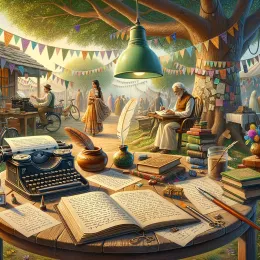
Writer’s Day is a global celebration dedicated to the craft of writing and the individuals who bring stories to life. This day encourages appreciation for authors, poets, and playwrights, acknowledging their contributions to culture and society. It serves as a reminder of the power of words and the impact they have on our lives.
Across the world, various events and activities take place to honor writers, inspire budding authors, and foster a love for literature. From book readings to writing workshops, Writer’s Day is an opportunity for communities to come together and celebrate creativity.
The Importance of Writing
Writing is more than just a means of communication; it is a form of art that allows individuals to express thoughts, emotions, and ideas. The written word has the power to influence, educate, and entertain. Whether through novels, essays, or poetry, writers have the unique ability to transport readers to different worlds and provoke deep reflection.
On this special day, we recognize the role of writing in shaping history, culture, and personal identity. It is a time to reflect on how stories connect us and inspire change, making writing an essential part of the human experience.
Global Celebrations
Writer’s Day is celebrated in various ways around the globe, reflecting the diverse cultures and traditions associated with writing. Here are some popular activities that take place:
- Book fairs and literary festivals where authors showcase their work.
- Public readings in libraries, parks, and community centers.
- Writing competitions encouraging participants to share their creativity.
- Workshops led by experienced writers to help aspiring authors hone their skills.
- Online events and webinars focusing on different aspects of writing.
Inspiring Future Generations
One of the key focuses of Writer’s Day is to inspire the next generation of writers. Schools and educational institutions often organize special programs to engage students in writing activities. This may include storytelling sessions, poetry slams, and creative writing workshops designed to ignite a passion for writing in young minds.
Encouraging children and teenagers to express themselves through writing not only enhances their literacy skills but also boosts their confidence and creativity. By fostering a love for literature early on, we can cultivate a new wave of talented writers who will contribute to the literary world.
Writing as a Tool for Change
Throughout history, writers have used their words to advocate for social justice, equality, and change. Literature has the power to challenge societal norms, inspire movements, and give voice to the marginalized. On Writer’s Day, we celebrate those who have used their writing as a tool for activism and progress.
From classic authors like George Orwell and Maya Angelou to contemporary voices such as Chimamanda Ngozi Adichie, writers have played a crucial role in shaping public discourse and raising awareness about critical issues. Their works continue to resonate and inspire action, demonstrating the profound impact of the written word.
Exploring Different Genres
Writer’s Day is also an opportunity to explore the rich tapestry of literary genres. Each genre offers a unique way to tell stories and connect with readers. Here are some popular genres celebrated on this day:
- Fiction: Novels and short stories that transport readers to imaginary worlds.
- Non-fiction: Works based on real events, people, and facts that educate and inform.
- Poetry: A form of expression that uses rhythm, imagery, and emotion to convey ideas.
- Drama: Plays and scripts that bring characters and stories to life on stage.
- Biography: Accounts of individuals’ lives that inspire and inform.
Literary Awards and Recognition
A significant aspect of Writer’s Day is the acknowledgment of outstanding literary achievements. Various awards are presented to honor writers for their contributions to literature. These accolades not only celebrate individual talent but also shine a light on the importance of storytelling in society.
Some prestigious literary awards include the Pulitzer Prize, Man Booker Prize, and National Book Award. Winning or being nominated for such honors can elevate a writer’s career, bringing their work to a broader audience and encouraging further exploration of their craft.
The Role of Technology in Writing
In today’s digital age, technology plays a pivotal role in the writing process. From word processing software to online publishing platforms, writers have access to tools that enhance their creativity and streamline their work. Social media has also transformed how writers connect with their audience, providing a platform for sharing ideas and promoting their work.
Writer’s Day encourages writers to embrace these technological advancements while also recognizing the importance of traditional writing methods. The balance between digital and analog can lead to a richer writing experience, allowing for greater exploration and experimentation.
Building a Writing Community
Writer’s Day serves as a reminder of the importance of community among writers. Connecting with fellow writers can provide support, inspiration, and valuable feedback. Many writers find solace in writing groups, workshops, and online forums where they can share their work and learn from one another.
Creating a sense of community fosters collaboration and encourages writers to pursue their passion with confidence. On this day, writers are encouraged to reach out to others, share experiences, and build lasting connections within the literary world.
Books to Celebrate on Writer’s Day
As part of the celebration, readers are encouraged to explore new books and revisit literary classics. Engaging with literature not only enhances appreciation for the craft but also inspires writers to create their own stories. Here are some recommended books to consider:
| Title | Author | Genre |
|---|---|---|
| The Great Gatsby | F. Scott Fitzgerald | Fiction |
| Becoming | Michelle Obama | Biography |
| The Sun and Her Flowers | Rupi Kaur | Poetry |
| 1984 | George Orwell | Fiction |
| Educated | Tara Westover | Memoir |
Conclusion of the Celebration
As Writer’s Day comes to a close, it is essential to carry forward the spirit of creativity and expression throughout the year. The celebration of writing should not be limited to a single day but embraced as a continuous journey. Each writer has a unique voice and story to share, and the world is eager to listen.
Whether you are an established author or just beginning your writing journey, take this day as an opportunity to reflect on your passion for writing. Engage with fellow writers, explore new genres, and most importantly, continue to write. The world needs your stories, and every word contributes to the rich tapestry of literature that unites us all.

Best Examples of wishes











FAQ
Interesting Articles and Tips for holidays and wishes

Celebrating personal achievements in meaningful ways
Celebrate victories: inspiring messages for sports and career success

Strategies to joyfully acknowledge achievement in competitions and events

Preparing for your baby: tips for a smooth and joyful transition

Celebrate achievements with heartfelt congratulations


Your review has been submitted!