








Create a card or greeting about Xiaonian with AI


Please wait 10–15 seconds while we create your unique greeting. This process ensures full personalization just for you! Do not leave or reload the page to avoid losing progress. Thank you for your patience!
Xiaonian: A Celebration of Tradition and Family
The festival of Xiaonian, also known as the Little New Year, marks an important occasion in Chinese culture. Celebrated in the days leading up to the Lunar New Year, it is a time for families to come together, honor their ancestors, and prepare for the upcoming festivities. This celebration is rich in customs and traditions, reflecting the deep-rooted cultural heritage of China.
Historical Significance
Xiaonian has its origins in ancient agricultural practices, symbolizing the end of the harvest season and the beginning of preparations for the new year. Historically, this festival was a time for farmers to express gratitude for the bountiful harvest and to pray for prosperity in the year ahead. Over time, Xiaonian has evolved into a broader celebration that encompasses various customs and rituals.
Traditional Rituals
During Xiaonian, families engage in several traditional rituals that hold significant meaning. One of the most important practices is the worship of the Kitchen God, who is believed to report on the family’s behavior to the Jade Emperor. Families offer sacrifices, such as sweets and fruits, to ensure a favorable report and blessings for the upcoming year.
Another common ritual is cleaning the house, symbolizing the removal of misfortune and the welcoming of good luck. This cleaning is often accompanied by decorating the home with red couplets and lanterns, which are thought to bring happiness and prosperity.
Delicious Festive Foods
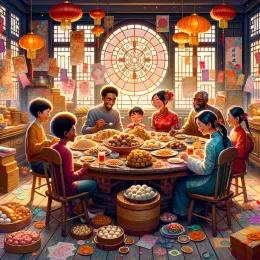
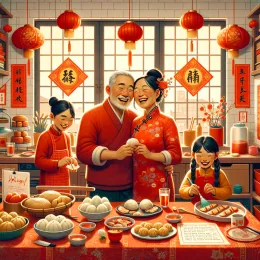
No celebration in China is complete without food, and Xiaonian is no exception. Families prepare a variety of traditional dishes that carry symbolic meanings. For instance, dumplings are often served as they represent wealth and prosperity. Additionally, sweet rice balls, known as tangyuan, symbolize family unity and togetherness.
Other popular dishes include fish, which represents surplus and abundance, and various types of pastries that are enjoyed during the festivities. The preparation and sharing of these meals strengthen family bonds and create lasting memories.
Regional Variations
While Xiaonian is celebrated across China, regional variations exist that reflect local customs and traditions. In northern China, for example, the festival may involve more emphasis on dumpling-making, while southern regions might focus on sweet rice dishes. These differences highlight the diversity of Chinese culture and the unique ways in which families honor this important occasion.
Modern Celebrations
In contemporary society, Xiaonian has adapted to modern lifestyles while still retaining its core values. Urban families may celebrate with less emphasis on traditional rituals but often prioritize family gatherings and festive meals. The festival serves as a reminder of the importance of family connections, especially in a fast-paced world.
With the rise of technology, many families now share their celebrations through social media, showcasing their festive decorations and meals. This modern twist allows for a broader appreciation of the festival, reaching audiences beyond China.
The Role of Community
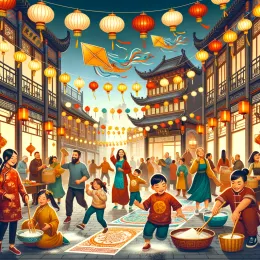
Community plays a significant role in the celebration of Xiaonian. Local events, such as fairs and parades, often take place, bringing people together to celebrate their shared heritage. These gatherings foster a sense of belonging and unity among community members, reinforcing the values of cooperation and support.
Many communities also organize activities that involve traditional performances, such as lion dances and folk music, which add to the festive atmosphere. These events not only entertain but also educate younger generations about their cultural heritage.
Preparing for the Lunar New Year
Xiaonian serves as a precursor to the Lunar New Year, with many families using this time to finalize their preparations for the upcoming holiday. This includes shopping for new clothes, purchasing decorations, and planning family reunions. The excitement builds as families look forward to the festivities that lie ahead.
In addition to the physical preparations, Xiaonian is also a time for reflection and setting intentions for the new year. Families may discuss their hopes and aspirations, reinforcing the importance of family support in achieving personal goals.
Conclusion of the Celebration
As Xiaonian comes to an end, families often gather for a final meal together, symbolizing unity and togetherness. This meal serves as a beautiful conclusion to the festivities, allowing family members to express their gratitude for one another and to share their hopes for the future. The warmth of family connections and the richness of tradition make Xiaonian a cherished celebration in Chinese culture.

Best Examples of wishes











FAQ
Interesting Articles and Tips for holidays and wishes

Valentine’s Day Mistakes: What You Should Avoid

How to Celebrate Valentine’s Day in a Long-Distance Relationship

Love Quotes and Phrases for Valentine’s Day

Romantic Valentine’s Day at Home: Cozy Date Ideas

What to Write in a Valentine’s Card: Sweet and Romantic Texts



Ваш отзыв добавлен!