




How different countries celebrate May Day

The Global Tapestry of May Day Celebrations
May Day, observed on the first of May, is a day rich with historical significance and diverse traditions across the globe. Its origins intertwine labor rights movements and ancient spring festivals, resulting in a unique blend of customs depending on cultural and political contexts. Exploring how different countries celebrate this day reveals not only the variety of festivities but also the values and histories that shape them.
Historical Roots and Contemporary Significance
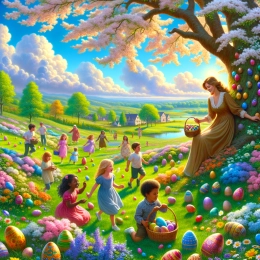
Originally linked to the ancient agricultural festivals welcoming the arrival of spring, May Day evolved over centuries to become a symbol of workers’ solidarity worldwide. The labor movement adopted the day to advocate for fair working conditions and rights, particularly after the Haymarket affair in Chicago in 1886. Today, the dual identity of May Day as both a celebration of spring and a day for labor rights activism manifests in diverse ways across nations.
Europe: A Blend of Tradition and Protest
In many European countries, May Day combines festive customs with political demonstrations. The day is often marked by vibrant parades, rallies, and cultural events that reflect both the joy of spring and ongoing social struggles.
United Kingdom
In the UK, May Day has deep roots in pagan festivals, such as the ancient Beltane, celebrating fertility and the renewal of life. Modern festivities often include maypole dancing, where communities gather to weave ribbons around a decorated pole, symbolizing unity and growth. Concurrently, labor unions organize marches and meetings to highlight workers’ rights and achievements.
Germany
Germany’s celebration is notable for its dual nature. The traditional “Walpurgis Night” on April 30th involves bonfires and folklore rituals, while May 1st serves as a day for both festive gatherings and labor demonstrations. Trade unions and political groups hold rallies that attract thousands, emphasizing solidarity and social justice.
France
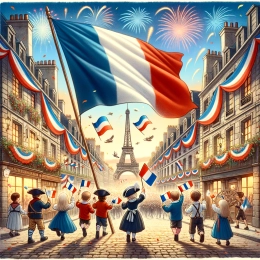
May Day in France is a public holiday known as “Fête du Travail,” devoted to honoring workers. It is customary to give sprigs of lily of the valley as a token of good luck and happiness. The day also features large-scale protests and marches organized by labor unions, reflecting the country’s strong tradition of labor activism.
Asia: Cultural Festivities and Political Expressions
Across Asia, May Day celebrations vary widely, blending indigenous customs with modern labor movements. In many countries, the day is officially recognized and marked by both cultural events and political activities.
China
In China, May Day is part of the “Golden Week” holiday, providing workers with a break to travel and enjoy leisure activities. The government organizes official ceremonies honoring labor, while citizens participate in parades and cultural performances. The day underscores the country’s emphasis on the dignity of labor and economic progress.
India
India observes May Day primarily as a day of labor solidarity, with trade unions staging rallies and demonstrations to demand workers’ rights and social justice. In addition, some regions celebrate the advent of spring with local festivals, incorporating traditional music and dance.
Japan
While May Day is not a national holiday in Japan, labor unions hold events to raise awareness of workers’ issues. The day is also close to Golden Week, a series of holidays that many Japanese citizens use for travel and relaxation, blending the spirit of rest with subtle labor activism.
Americas: From Festivity to Advocacy
The Americas exhibit a spectrum of May Day customs, ranging from lively cultural celebrations to fervent labor demonstrations, reflecting the continent’s diverse histories and social dynamics.
United States
In the United States, May Day has historically been tied to labor movements, commemorating the fight for the eight-hour workday. While it is not a federal holiday, various labor organizations and immigrant communities hold marches and rallies. Additionally, some regions celebrate with spring festivals, though these are less widespread.
Brazil
Brazil recognizes May Day as a national holiday dedicated to workers. The day features public speeches, parades, and concerts, often organized by labor unions and political parties. It serves both as a celebration of labor achievements and a platform for addressing ongoing social challenges.
Mexico
In Mexico, May Day is a public holiday marked by vibrant parades, union gatherings, and cultural events. It highlights workers’ contributions and serves as a day for political expression, with various groups advocating for labor rights and social reforms.
Oceania and Africa: Unique Local Traditions
In Oceania and Africa, May Day celebrations reflect local histories and cultural influences, often combining indigenous practices with international labor movement themes.
Australia
Australia celebrates May Day in certain regions, particularly in the state of Queensland, where it is recognized as a public holiday. The day is observed with community events, marches, and educational activities emphasizing workers’ rights and achievements.
South Africa
South Africa marks May Day as a public holiday honoring the labor movement’s role in the struggle against apartheid and economic inequality. The day features rallies, cultural performances, and political speeches, showcasing the ongoing commitment to social justice.
Comparative Overview of May Day Celebrations
To better understand the global diversity of May Day observances, the following table summarizes key elements of celebrations in selected countries.
| Country | Primary Focus | Typical Activities | Public Holiday Status |
|---|---|---|---|
| United Kingdom | Spring festival and labor rights | Maypole dancing, parades, rallies | Not a public holiday |
| Germany | Traditional spring rituals and labor protests | Bonfires, rallies, demonstrations | Public holiday |
| China | Labor honor and leisure | Official ceremonies, parades, travel | Public holiday |
| United States | Labor rights advocacy | Marches, rallies, cultural events | Not a public holiday |
| Brazil | Workers’ celebration and political activism | Parades, concerts, speeches | Public holiday |
| South Africa | Labor movement and social justice | Rallies, cultural performances | Public holiday |
The Enduring Legacy of May Day Celebrations
Examining the wide array of traditions and commemorations reveals that May Day is far more than a mere date on the calendar. It serves as a mirror reflecting societies’ values, struggles, and hopes. Whether through colorful festivals heralding the arrival of spring or powerful demonstrations advocating for workers’ rights, the day fosters a sense of community and shared purpose.
The interplay between ancient customs and modern labor activism enriches the cultural fabric of many nations, offering a unique opportunity to appreciate both heritage and progress. As the world continues to evolve, the spirit of May Day remains a vital reminder of the importance of dignity, solidarity, and renewal in human life.