


May Day vs International Workers’ Day: what’s the difference?
Understanding May Day and International Workers’ Day
Each year, the date of May 1st is observed globally with various celebrations, demonstrations, and public holidays. However, the significance of this day can vary greatly depending on cultural, historical, and political contexts. While many may associate May 1st simply with spring festivals or labor rights, it is important to discern the distinct meanings behind May Day and International Workers’ Day. This article explores the origins, traditions, and modern observances of both to clarify their differences and overlaps.
The Origins of May Day: A Celebration of Spring
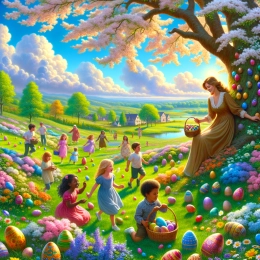
May Day has ancient roots as a traditional spring festival, celebrated in many cultures long before it became associated with labor movements. Its origins are deeply tied to agricultural societies and the welcoming of warmer weather, blooming flowers, and fertility for crops and livestock.
Pagan and Pre-Christian Roots
Historically, May Day was marked by festivals such as the Celtic Beltane, which celebrated the halfway point between the spring equinox and the summer solstice. People would light bonfires, dance, and engage in rituals believed to promote fertility and protect livestock.
In medieval Europe, May Day continued as a time for community gatherings, dancing around the maypole, crowning the May Queen, and enjoying feasts. These customs were widespread in England, Germany, and other parts of Europe, symbolizing joy and renewal.
May Day Traditions Around the World
- In England, the maypole dance remains a popular seasonal event in some villages.
- In Germany, the tradition of Walpurgis Night on April 30th leads into May Day celebrations with dancing and fire rituals.
- In Nordic countries, May 1st is often associated with outdoor festivities and the welcoming of summer.
These springtime celebrations are generally apolitical and focus on nature, fertility, and community bonding.
The Emergence of International Workers’ Day
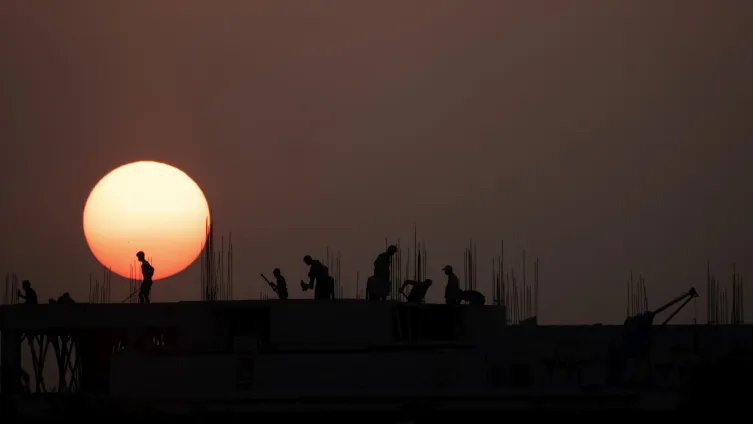
In contrast to the ancient and cultural celebrations of May Day, International Workers’ Day has a distinctly political and labor-oriented origin. This day is dedicated to honoring the labor movement and the struggle for workers’ rights worldwide.
The Haymarket Affair and the Fight for an Eight-Hour Workday
The roots of International Workers’ Day trace back to the labor activism of the late 19th century, particularly the efforts in the United States to establish an eight-hour workday. On May 1, 1886, thousands of workers went on strike across the country demanding this reform.
On May 4, 1886, the Haymarket affair in Chicago turned violent when a bomb was thrown during a labor rally, leading to deaths and wrongful convictions of several labor activists. This event garnered international attention and became a symbol of the labor struggle for fair working conditions.
The International Recognition of May 1st as Workers’ Day
In 1889, the Second International, an organization of socialist and labor parties, declared May 1st as International Workers’ Day to commemorate the Haymarket martyrs and the broader labor movement. Since then, it has been celebrated globally as a day of solidarity among workers and a call for labor rights.
How May Day and International Workers’ Day Differ in Observance
While both occur on the same date, May 1st, their observance can differ dramatically depending on the country and cultural context. Understanding these differences helps to appreciate the multifaceted nature of this day.
May Day Celebrations Focused on Spring and Community
In many Western countries, especially those without strong labor movement traditions, May Day remains primarily a cultural festival. Activities include:
- Maypole dancing
- Flower festivals
- Fairs and parades celebrating spring
These events are generally light-hearted and focused on seasonal change rather than political activism.
International Workers’ Day as a Political and Labor Event
Conversely, in countries with a strong labor history or socialist influence, May 1st is a major day of political demonstrations, strikes, and speeches. Workers and unions use this opportunity to highlight issues such as fair wages, workplace safety, and social justice.
Examples include large-scale marches in cities like Moscow, Beijing, and Berlin, where the day serves as a reminder of workers’ contributions and ongoing struggles.
The Global Landscape: Regional Differences in May 1st Observance
Across continents, May 1st takes on unique characteristics shaped by local history and politics. The table below summarizes key regional variations in how the day is marked.
| Region | Primary Focus | Common Activities | Political Significance |
|---|---|---|---|
| Europe (Western) | Spring festival and cultural traditions | Maypole dances, flower festivals, community gatherings | Generally low; labor rights acknowledged but not dominant |
| Europe (Eastern) | International Workers’ Day, labor movement | Political rallies, parades, speeches by labor leaders | High; often state-sponsored events |
| North America | Varied: Labor Day in September more prominent in the U.S. | Limited May 1st observance; Labor Day parades in September | Low for May 1st; labor activism recognized on other dates |
| Latin America | International Workers’ Day and labor rights | Mass protests, union marches, public speeches | High; central to labor movement identity |
| Asia | International Workers’ Day in many countries | Official ceremonies, parades, government-organized events | High in socialist or formerly socialist countries |
The Cultural and Political Impact of Both Observances
Understanding the dual nature of May 1st helps reveal how culture and politics intertwine in ways that reflect broader social values. The springtime traditions emphasize community, renewal, and connection to nature, celebrating human cycles and joy. Meanwhile, International Workers’ Day underscores the ongoing quest for justice, equality, and recognition of labor’s vital role in society.
These two facets coexist and sometimes even blend, depending on local customs and political climate. In some places, May Day’s cheerful spring events are accompanied by labor demonstrations, creating a layered and rich observance of the date.
May Day in Contemporary Society
Modern celebrations of May Day’s cultural side often include environmental awareness, sustainable living, and appreciation of natural cycles. Festivals can be a way to reconnect communities with seasonal rhythms in an increasingly urbanized world.
International Workers’ Day Today
As global economies evolve, International Workers’ Day remains a vital platform for addressing new labor challenges such as automation, gig work, and workers’ rights in a digital age. It continues to inspire activism and solidarity across borders.
Bringing It All Together
The day of May 1st carries multiple meanings, shaped by centuries of tradition and struggle. While May Day brings the promise of spring’s renewal and communal joy, International Workers’ Day serves as a powerful reminder of labor’s role in shaping modern society and the ongoing fight for fair treatment and dignity at work.
Recognizing these distinctions enriches our understanding of the day’s significance and encourages a more nuanced appreciation of its celebrations worldwide. Whether through dancing around the maypole or marching for workers’ rights, May 1st remains a day that connects us to both our shared humanity and our collective aspirations.