




The History of Thanksgiving: From Early Settlers to Modern Traditions
The Origins of Thanksgiving: A Glimpse into Early Celebrations
The story of Thanksgiving in America is deeply intertwined with the experiences of early settlers and indigenous peoples. It dates back to the early 17th century, when the Pilgrims, having endured a harsh first winter in the New World, sought to express their gratitude for survival and the bountiful harvest that followed. This initial celebration was more than just a meal; it was a moment of unity and cooperation between different cultures.
Understanding the early festivals helps illuminate how a simple feast evolved into a national holiday that continues to hold significance today. The roots of Thanksgiving reflect themes of resilience, community, and thankfulness that resonate across centuries.
The First Thanksgiving: Myth and Reality
The event commonly referred to as the “First Thanksgiving” took place in the autumn of 1621 at Plymouth Colony. The Pilgrims, settlers from England, had faced starvation and disease during their first winter. With the help of the Wampanoag people, who taught them local agriculture and survival skills, the colonists managed to harvest enough food to sustain themselves.
This three-day feast included around 50 Pilgrims and 90 Native Americans, celebrating the successful harvest. Contrary to popular images, the menu likely consisted of wildfowl, venison, corn, and other native foods rather than the modern turkey and pumpkin pie. This event symbolized cooperation and gratitude rather than a formal holiday.
Key Participants in the 1621 Feast
| Group | Role | Contribution |
|---|---|---|
| Pilgrims | Hosts | Provided crops from their harvest, including corn and barley |
| Wampanoag | Allies | Supplied venison and guidance on farming and hunting |
Evolution of Thanksgiving Through the Centuries
Following the initial 1621 feast, thanksgiving celebrations were sporadic and varied widely among colonies. Many early observances were religious in nature, involving prayer and fasting as much as feasting. These days of thanks were often proclaimed by colonial governors to mark significant events such as military victories or the end of droughts.
It wasn’t until the 19th century that Thanksgiving began to take a more consistent shape as a national holiday. Influential figures like Sarah Josepha Hale campaigned for a unified day of thanks across the United States. Her efforts culminated in President Abraham Lincoln’s 1863 proclamation establishing Thanksgiving as a federal holiday, to be observed on the final Thursday of November.
Timeline of Key Thanksgiving Milestones
- 1621: First documented feast at Plymouth Colony
- 1777: Continental Congress designates a national day of thanksgiving
- 1863: Lincoln proclaims Thanksgiving a national holiday
- 1939: President Franklin D. Roosevelt moves Thanksgiving earlier to extend the Christmas shopping season
- 1941: Congress fixes Thanksgiving as the fourth Thursday in November
Thanksgiving Traditions: Bridging Past and Present

The ways in which Americans observe Thanksgiving have evolved substantially, blending historical practices with modern customs. The holiday has become a time for family gatherings, elaborate meals, and expressions of gratitude. However, the essence remains connected to the original spirit of appreciation and community.
Understanding these traditions helps us appreciate the cultural significance of Thanksgiving beyond its festive trappings. Many of these rituals have been shaped by regional influences, historical events, and social changes over time.
The Iconic Thanksgiving Meal
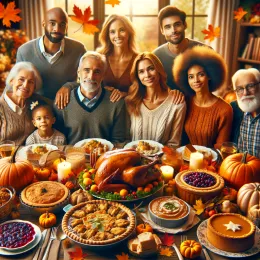
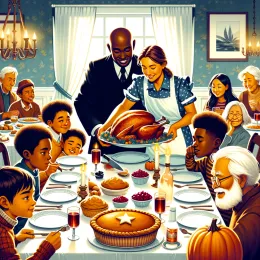
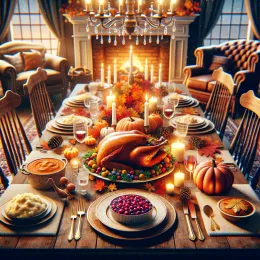
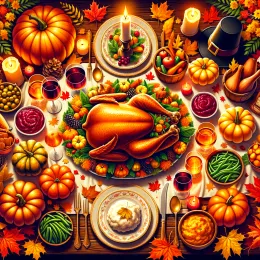
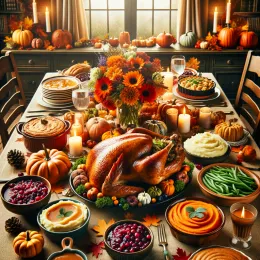
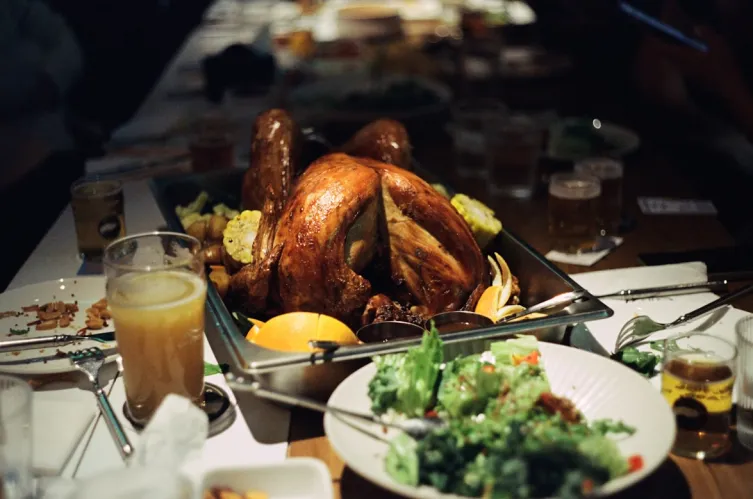
The traditional Thanksgiving dinner features a variety of dishes that have become symbolic of the holiday. Turkey, often stuffed and roasted, is the centerpiece, accompanied by sides such as mashed potatoes, cranberry sauce, and stuffing. Desserts like pumpkin pie and pecan pie round out the meal.
While these foods are now commonplace, many have origins in indigenous American agriculture or colonial adaptations. The meal serves as a culinary link to the past, connecting modern families to centuries-old harvest celebrations.
Parades and Football: Modern Festivities
Beyond the dinner table, Thanksgiving has grown to include public celebrations like parades and sports events. The Macy’s Thanksgiving Day Parade, which began in 1924, has become a beloved spectacle featuring floats, marching bands, and performances. This event brings communities together and marks the start of the holiday season.
Football games, particularly the NFL’s Thanksgiving Day matches, have also become a tradition. These games provide entertainment and a sense of camaraderie, adding another layer to the holiday’s social fabric.
Expressing Gratitude: From Personal Reflection to Public Acts
At its core, Thanksgiving is about giving thanks. Many families incorporate moments of reflection, sharing what they are grateful for before the meal. This practice fosters connection and mindfulness, reminding participants of the holiday’s original purpose.
In recent decades, acts of charity and community service have also become integral to Thanksgiving. Food drives, volunteer efforts at shelters, and donations to those in need exemplify the holiday’s spirit of generosity.
The Complex Legacy of Thanksgiving
While Thanksgiving is widely celebrated, it also carries a complex legacy that invites reflection. For many Native American communities, the holiday represents a history of colonization, displacement, and cultural loss. This perspective has led to calls for a more inclusive understanding of the day.
Some observe Thanksgiving as a National Day of Mourning, honoring indigenous resilience and advocating for recognition of historical truths. This dual narrative encourages dialogue about history, identity, and reconciliation.
Recognizing Indigenous Perspectives
Efforts to acknowledge Native American histories have grown, including educational programs and alternative commemorations. These initiatives aim to foster respect and awareness, ensuring that the story of Thanksgiving encompasses all voices.
By embracing a more nuanced narrative, society can honor the values of gratitude and community while acknowledging the complexities of the past.
Looking Ahead: The Future of Thanksgiving Celebrations
As traditions continue to evolve, Thanksgiving remains a dynamic and meaningful occasion. Technological advancements, changing family structures, and cultural diversity influence how the holiday is observed. Virtual gatherings, global awareness, and new expressions of thanks are shaping the future of this time-honored celebration.
Despite these changes, the enduring themes of gratitude, togetherness, and reflection continue to unite people. Thanksgiving’s story, rooted in early settler experiences and enriched by centuries of adaptation, remains a powerful testament to human resilience and generosity.
Looking to send warm wishes this Thanksgiving? Our carefully crafted Thanksgiving wishes and cards will make your holiday greetings truly special. Whether it’s for family, friends, or colleagues, these wishes will help you share the joy of the season.
For easy access, you can explore them directly here.