




Top Trends in E-Card Designs for Special Occasions
Exploring the Evolution of E-Card Designs
In the digital age, sending greetings and heartfelt messages has transformed dramatically from traditional paper cards to dynamic electronic versions. The convenience and creativity offered by digital formats have led to a surge in popularity for e-cards, especially for special occasions like birthdays, weddings, and holidays. As technology advances and user preferences evolve, so do the styles and features of e-cards, reflecting contemporary tastes and technological innovations. Understanding the latest movements in this space offers valuable insight for designers, marketers, and anyone who enjoys sharing meaningful digital greetings.
Embracing Interactive and Animated Elements
One of the most exciting developments in the realm of digital greetings is the incorporation of interactive and animated features. Unlike static images, these dynamic elements engage recipients more deeply, creating memorable experiences. Animations can range from subtle movements like twinkling stars or flowing ribbons to complex sequences telling a story or celebrating a theme.
Interactivity adds another layer of engagement by allowing recipients to participate in the card’s content. For instance, some e-cards invite users to click on certain areas to reveal hidden messages, play mini-games, or customize visual elements. These features not only capture attention but also provide personal touches that make the gesture feel more sincere and thoughtful.
Popular Interactive Features in Modern E-Cards
- Clickable animations revealing personalized messages
- Embedded music or sound effects triggered by user actions
- Mini-games themed around the occasion (e.g., puzzles, quizzes)
- Customization options for colors, text, and imagery
Minimalist and Elegant Design Trends
As digital aesthetics continue to mature, minimalism has become a dominant style in e-card design. This trend embraces simplicity, clean lines, and thoughtful use of white space to create sophisticated and visually appealing cards. Minimalist e-cards often use a limited color palette with soft hues or monochromatic schemes, allowing the message itself to take center stage without overwhelming the recipient.
The elegance of minimalism is especially fitting for formal occasions such as weddings, anniversaries, and corporate events. By removing unnecessary clutter and focusing on typography and subtle graphic elements, these designs convey a sense of refinement and timelessness.
Key Characteristics of Minimalist E-Cards
- Simple geometric shapes and clean typography
- Ample white space to enhance readability
- Restrained use of color, often pastel or neutral tones
- Focus on meaningful, concise messages
Incorporation of Personalization and AI Technology
Personalization has become a cornerstone of digital communication, and e-card designs are no exception. Leveraging artificial intelligence and machine learning, designers can now create cards that adapt to the recipient’s preferences, previous interactions, or even real-time data. This level of customization enhances the emotional impact of the e-card, making each greeting feel uniquely tailored.
AI-driven e-cards might offer personalized suggestions for messages, select images based on the recipient’s interests, or dynamically change visual elements according to the time of day or season. Some platforms enable users to upload photos or videos that are seamlessly integrated into the card’s design, further strengthening the personal connection.
Examples of Personalization in E-Card Platforms
| Feature | Description | Benefits |
|---|---|---|
| AI-generated message suggestions | Offers context-appropriate text based on occasion and recipient | Reduces effort, enhances relevance |
| Photo/video integration | Allows embedding personal media within the card | Creates a unique and memorable experience |
| Dynamic themes | Changes visuals based on recipient’s preferences or environment | Increases engagement and personalization |
Eco-Friendly and Sustainable Design Approaches
With growing environmental awareness, many designers and users prefer e-cards as a sustainable alternative to traditional paper greetings. This shift has inspired trends focusing on eco-conscious design, emphasizing digital minimalism and resource efficiency. Designers optimize file sizes to reduce data consumption and energy use, and some platforms highlight the environmental benefits of sending e-cards.
Additionally, visual themes often incorporate natural elements such as plants, landscapes, and earth tones to subtly communicate sustainability values. This approach resonates well with audiences who prioritize ecological responsibility, creating a meaningful alignment between the message and medium.
Strategies for Eco-Friendly E-Card Design
- Optimizing graphics for lower bandwidth
- Using vector images instead of heavy raster files
- Incorporating nature-inspired themes and palettes
- Promoting the environmental impact of choosing digital over print
The Rise of Video E-Cards and Cinemagraphs
Video e-cards have surged in popularity due to their capacity for storytelling and emotional expression. Unlike static or animated images, videos can capture moments, convey tone through voice or music, and create immersive narratives. With the increasing availability of high-speed internet and mobile technology, sending and receiving video greetings has become seamless.
Cinemagraphs, which combine still photography with subtle, looping motion, represent a hybrid trend offering the visual interest of video with the simplicity of an image. These captivating visuals draw the eye and add sophistication to e-cards, often used for occasions where elegance and creativity are paramount.
Benefits of Video and Cinemagraph E-Cards
- Enhanced emotional connection through storytelling
- Greater versatility in conveying mood and theme
- High shareability on social media and messaging platforms
- Ability to include personalized audio messages
Utilizing Cultural and Inclusive Themes
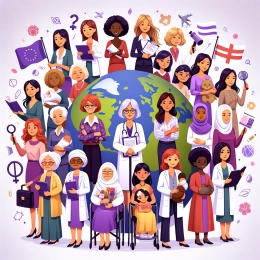
In today’s diverse world, e-card designs increasingly reflect cultural sensitivity and inclusivity. Designers incorporate symbols, colors, and messages that resonate with different communities and traditions, ensuring that greetings feel respectful and meaningful. This approach broadens the appeal of e-cards and fosters a sense of belonging among recipients.
Inclusivity also extends to accessibility, with many e-cards now designed to be usable by people with disabilities. Features like screen reader compatibility, adjustable font sizes, and high-contrast color schemes ensure that everyone can enjoy and interact with the e-card content without barriers.
Elements of Inclusive E-Card Design
- Representation of diverse cultural motifs and languages
- Consideration of accessibility standards and best practices
- Neutral and respectful messaging avoiding stereotypes
- Options for gender-neutral greetings and visuals
Future Directions and Innovations
As technology continues to evolve, the possibilities for e-card designs expand dramatically. Emerging technologies such as augmented reality (AR) and virtual reality (VR) promise to revolutionize how digital greetings are experienced. Imagine sending a card that transports the recipient into a virtual celebration or allows them to interact with 3D elements in their own environment.
Moreover, blockchain and NFTs (non-fungible tokens) are beginning to influence digital gifting, enabling unique, verifiable e-cards that can hold sentimental or collectible value. These innovations suggest a future where e-cards are not only convenient and beautiful but also interactive and valuable digital assets.
The continuous blending of creativity, technology, and personalization ensures that digital greetings remain a vibrant and evolving form of communication. Whether through subtle elegance, immersive multimedia, or thoughtful inclusivity, the art of sending special occasion wishes will keep adapting to meet the desires and expectations of a global audience. This dynamic landscape invites both creators and recipients to explore new ways to celebrate and connect in an increasingly digital world.