


Unique May Day traditions across cultures
Exploring the Richness of May Day Celebrations
May Day, celebrated on the first of May, is a day that carries deep cultural significance in many parts of the world. This festive occasion, often associated with the arrival of spring and the blossoming of nature, is marked by a variety of fascinating customs and rituals. Across different societies, people have developed unique ways to honor this special day, blending ancient traditions with contemporary practices. Delving into these diverse expressions offers a captivating glimpse into how communities embrace renewal, unity, and joy.
Historical Roots of May Day Festivities
The origins of May Day can be traced back to ancient pagan festivals dedicated to fertility and the changing seasons. Celebrations such as the Celtic festival of Beltane and the Roman Floralia laid the groundwork for many modern customs. Over time, these festivities evolved, incorporating elements of local folklore, religious observances, and social gatherings. Understanding the historical context provides valuable insight into the symbolic meaning behind various practices observed today.
Beltane: The Celtic Celebration of Fire and Fertility
In ancient Celtic tradition, Beltane marked the beginning of the pastoral summer season. Communities lit bonfires to honor the sun and encourage the growth of crops and livestock. These fires were believed to have protective powers, driving away evil spirits and ensuring prosperity. People would leap over the flames as a ritual act of purification and renewal. This vibrant festival emphasized the interconnectedness of humans, nature, and the divine.
Floralia: The Roman Festival of Flowers
The Floralia was dedicated to Flora, the goddess of flowers and spring. Celebrated with theatrical performances, floral decorations, and public games, it was a time of exuberant joy and fertility rites. The Romans adorned their homes and public spaces with blossoms, symbolizing the rebirth of the natural world. This colorful event reflected the importance of nature’s cycles and the human desire to celebrate life’s abundance.
Unique May Day Traditions Around the World
As May Day spread across regions and cultures, it absorbed a variety of customs that highlight the diverse ways communities welcome spring. From Europe to Asia and the Americas, each culture has crafted its own distinctive rituals that showcase local values, history, and creativity.
Europe: Dance, Flowers, and Community Bonds
In many European countries, May Day is synonymous with vibrant public celebrations featuring dancing, floral decorations, and communal festivities. These traditions often emphasize social cohesion and the joyous spirit of renewal.
England: The Maypole and Morris Dancing
One of the most iconic English May Day customs is the maypole dance. Villagers gather around a tall wooden pole decorated with ribbons and flowers. Participants weave intricate patterns by intertwining the ribbons as they dance, symbolizing the interconnection of community and the coming of spring. Morris dancing, a lively folk dance accompanied by music, also takes center stage, adding a sense of merriment and cultural heritage.
Germany: Maibaum and Folk Festivities
In Germany, the Maibaum, or Maypole, is erected in village squares, often adorned with regional emblems and colorful ribbons. The pole represents local pride and fertility. Traditional music, dancing, and feasting accompany the raising of the Maibaum, fostering a strong sense of community identity. In some areas, playful competitions and courtship rituals add a dynamic element to the celebrations.
Asia: Seasonal Transitions and Cultural Symbolism
Across parts of Asia, May Day coincides with seasonal festivals that blend agricultural significance and cultural symbolism. These events often involve elaborate ceremonies and artistic expressions.
Japan: Golden Week and Children’s Day
While not directly a May Day celebration, Japan’s Golden Week encompasses several holidays in early May, including Children’s Day on May 5th. Families fly carp-shaped koinobori flags to symbolize strength and perseverance for their children. This period reflects themes of growth and renewal, resonating with the spirit of May festivities globally.
India: Buddha Purnima and Spring Festivals
In India, some regions observe spring festivals around the beginning of May, with rituals that honor nature and spiritual awakening. Buddha Purnima, celebrating the birth of Buddha, sometimes falls near this time, emphasizing enlightenment and compassion. Colorful processions, music, and communal meals highlight the festive atmosphere.
Americas: Labor Celebrations and Floral Festivities
In the Americas, May Day often combines traditional spring celebrations with recognition of labor movements. This blending of themes creates a unique cultural tapestry reflecting social values and historical experiences.
United States: May Day Baskets and Community Events
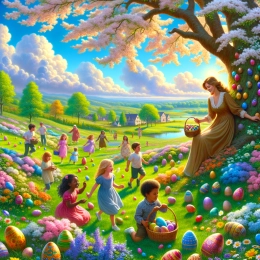
In parts of the United States, a charming custom involves making May Day baskets filled with flowers and treats, which are secretly left on neighbors’ doorsteps. This gesture of goodwill fosters neighborly connections and spreads joy. Schools and communities may organize spring festivals featuring dances, arts and crafts, and local performances.
Mexico: Labor Day and Indigenous Traditions
May 1st in Mexico is recognized as Labor Day, honoring workers’ rights with parades and demonstrations. Alongside this, indigenous communities may hold traditional ceremonies celebrating the earth and agriculture, reflecting a deep respect for nature’s cycles. These layered observances highlight the nation’s rich cultural diversity.
Symbolism and Common Themes in May Day Customs
Despite the diversity of practices, many May Day traditions share underlying themes that speak to universal human experiences. These motifs include the celebration of fertility, the renewal of life, community togetherness, and the harmony between humans and nature.
Fertility and Growth
Many customs emphasize fertility, whether through floral decorations, dances around the maypole, or agricultural rites. These symbols express hopes for bountiful harvests, healthy families, and prosperity. The cyclical nature of the seasons serves as a powerful reminder of life’s ongoing renewal.
Community and Connection
May Day often acts as a social glue, bringing people together in joyous celebration. Group dances, communal meals, and shared rituals strengthen bonds and foster a sense of belonging. This collective participation reinforces cultural identity and mutual support.
Nature and Spirituality
The reverence for nature is central to many May Day observances. From lighting bonfires to adorning homes with flowers, these acts symbolize respect for the earth’s vitality. In some cultures, spiritual dimensions are woven into the festivities, connecting participants to ancestral wisdom and cosmic cycles.
How May Day Traditions Evolve in Modern Times
While rooted in history, May Day celebrations continue to adapt to contemporary contexts. Urbanization, globalization, and shifting social values influence how communities observe this day. Modern interpretations often blend traditional elements with new forms of expression, ensuring the relevance and vitality of May Day in the 21st century.
Revival of Folk Practices
In many regions, there is a renewed interest in folk traditions associated with May Day. Cultural organizations, schools, and local governments organize events to preserve and promote heritage dances, crafts, and rituals. This revival fosters cultural pride and educates younger generations about their roots.
Environmental Awareness and Sustainability
Given May Day’s connection to nature, contemporary celebrations increasingly incorporate themes of environmental stewardship. Activities such as tree planting, community gardening, and eco-friendly festivals highlight the importance of sustainable living. These initiatives align ancient respect for the earth with modern ecological challenges.
Inclusive and Diverse Celebrations
Modern May Day events often emphasize inclusivity and the celebration of diverse cultural identities. Multicultural festivals showcase a range of traditions, encouraging mutual understanding and appreciation. This openness enriches the tapestry of May Day observances worldwide.
Comparative Overview of May Day Traditions
To better appreciate the variety and commonalities of May Day customs, the following table summarizes key features from selected cultures.
| Region | Main Traditions | Symbolism | Contemporary Adaptations |
|---|---|---|---|
| England | Maypole dancing, Morris dancing | Community unity, fertility, spring renewal | Village festivals, heritage events |
| Germany | Maibaum erection, folk music, dancing | Local pride, fertility, social cohesion | Modern folk festivals, competitions |
| Japan | Koinobori flags, Golden Week holidays | Strength, perseverance, growth | Family celebrations, cultural events |
| India | Spring festivals, Buddha Purnima | Spiritual awakening, nature reverence | Processions, communal meals |
| USA | May Day baskets, school festivals | Neighborliness, spring celebration | Community events, arts and crafts |
| Mexico | Labor Day parades, indigenous ceremonies | Worker solidarity, earth respect | Cultural diversity festivals |
Embracing the Spirit of May Day Today
The myriad ways in which May Day is celebrated around the globe speak to the enduring human desire to honor life’s cycles and connect with community and nature. Whether through ancient rituals or contemporary festivities, these traditions offer meaningful opportunities to pause, reflect, and rejoice in the promise of renewal. Engaging with these customs enriches our understanding of cultural diversity and shared humanity, inviting us all to participate in the timeless celebration of spring’s arrival.