








Create a card or greeting about Immaculate Conception Spain with AI


Please wait 10–15 seconds while we create your unique greeting. This process ensures full personalization just for you! Do not leave or reload the page to avoid losing progress. Thank you for your patience!
Immaculate Conception in Spain
The Immaculate Conception is a significant celebration in Spain, deeply rooted in the country’s Catholic traditions. This feast day, observed on December 8th, honors the belief that the Virgin Mary was conceived without original sin. It is a public holiday in many regions, reflecting the importance of the event in Spanish culture and religious practices.
Historical Background
The doctrine of the Immaculate Conception was formally defined by Pope Pius IX in 1854, but its origins can be traced back to the early centuries of Christianity. In Spain, devotion to the Virgin Mary has been a cornerstone of faith, and the celebration of her conception has evolved over the centuries.
Throughout history, various Spanish saints and theologians have contributed to the understanding and veneration of the Virgin Mary. The feast became widely celebrated in Spain during the Middle Ages, gaining momentum as a national holiday in the 19th century.
Celebration Across Regions
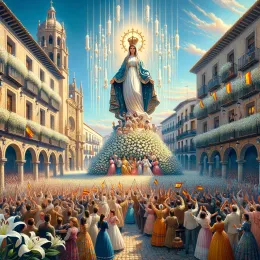
In Spain, the Immaculate Conception is celebrated with various customs and traditions that vary by region. Major cities like Madrid, Seville, and Bilbao hold grand processions, while smaller towns may have more intimate gatherings.
In many areas, the day begins with a special Mass dedicated to the Virgin Mary. This is followed by festive events, including parades, music, and traditional dances. The atmosphere is filled with joy as communities come together to honor their patroness.
Madrid
In the capital city, Madrid, the Immaculate Conception is marked by a vibrant procession that draws thousands of participants and spectators. The streets are adorned with flowers and lights, creating a festive ambiance. Local choirs perform hymns dedicated to the Virgin Mary, enhancing the spiritual experience.
Seville
Seville, known for its rich cultural heritage, celebrates this day with a unique flair. The city hosts a stunning procession featuring beautifully decorated floats and statues of the Virgin Mary. Traditional flamenco music fills the air, inviting everyone to join in the celebration.
Bilbao
In the Basque Country, Bilbao showcases its own distinct customs. The community gathers for a special Mass, followed by a lively street festival. Local delicacies are served, and families enjoy the day together, reflecting the cultural significance of the event.
Religious Significance
The Immaculate Conception holds profound religious significance for Catholics. It emphasizes the purity of Mary and her role as the mother of Jesus Christ. This belief reinforces the idea of redemption and the importance of faith in overcoming sin.
During this feast, many devotees take the opportunity to reflect on their own lives and seek spiritual renewal. The day serves as a reminder of the virtues exemplified by Mary, inspiring individuals to embody these qualities in their daily lives.
Traditional Foods and Festivities
No celebration in Spain is complete without its delicious traditional foods. On the Immaculate Conception, families often prepare special dishes that vary by region. Common treats include:
- Churros con chocolate – a popular breakfast or snack.
- Turrón – a nougat confection that is especially popular during the holiday season.
- Polvorones – crumbly almond cookies that are a festive favorite.
These culinary delights are often shared among family and friends, reinforcing the communal spirit of the holiday. Additionally, many regions host local fairs and markets, where artisans sell handmade crafts and festive foods.
Impact on Spanish Culture
The celebration of the Immaculate Conception plays a vital role in shaping Spanish culture and identity. It fosters a sense of community and belonging, as people come together to celebrate their shared faith and traditions.
Art and literature have also been influenced by this holiday, with countless works dedicated to the Virgin Mary. From paintings to poetry, the Immaculate Conception serves as a muse for artists throughout history.
Modern Celebrations and Adaptations
In contemporary Spain, the Immaculate Conception continues to evolve. While traditional practices remain strong, modern influences have also emerged. Many younger generations participate in celebrations that blend old customs with new ideas, creating a dynamic cultural landscape.
Social media plays a significant role in how the holiday is celebrated today. Many people share their experiences, photos, and reflections online, connecting with others and spreading awareness about the significance of the day.
Conclusion of Celebrations
The Immaculate Conception is more than just a religious observance; it is a vibrant celebration of faith, culture, and community in Spain. As families gather to honor the Virgin Mary, they also celebrate their heritage and the values that unite them. This day serves as a powerful reminder of the enduring significance of faith in shaping lives and communities.
As the sun sets on December 8th, the spirit of the Immaculate Conception lingers in the hearts of those who participated, leaving a lasting impression that resonates throughout the year.
Wishes for Other Holidays

Best Examples of wishes





FAQ
Interesting Articles and Tips for holidays and wishes

Valentine’s Day Mistakes: What You Should Avoid
How to Celebrate Valentine’s Day in a Long-Distance Relationship
Love Quotes and Phrases for Valentine’s Day

Romantic Valentine’s Day at Home: Cozy Date Ideas

What to Write in a Valentine’s Card: Sweet and Romantic Texts
Ваш отзыв добавлен!