








Create a card or greeting about Holi with AI


Please wait 10–15 seconds while we create your unique greeting. This process ensures full personalization just for you! Do not leave or reload the page to avoid losing progress. Thank you for your patience!
Celebrating Holi: A Festival of Colors and Joy
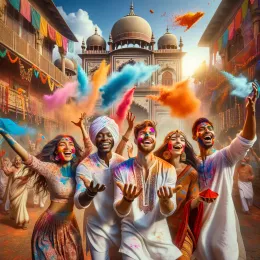
The vibrant festival of Holi is celebrated with great enthusiasm across the globe, marking the arrival of spring and the end of winter. This joyous occasion, often referred to as the Festival of Colors, brings people together in a riot of hues, laughter, and shared experiences. Originating from India, Holi has transcended borders, captivating hearts and minds worldwide.
As the days grow warmer and nature blossoms, communities gather to partake in this age-old tradition. The essence of Holi lies not only in the colors but also in the spirit of unity, forgiveness, and the celebration of love. Participants of all ages engage in playful color fights, dance to traditional music, and enjoy delicious festive foods, creating memories that last a lifetime.
The Significance of Holi
Holi is steeped in rich cultural significance and mythology. It symbolizes the victory of good over evil, with various legends associated with its celebration. One of the most popular tales is that of Prahlad and Holika, highlighting devotion and the triumph of faith. This narrative serves as a reminder that love and righteousness will always prevail.
Additionally, Holi signifies the arrival of spring, a season of renewal and rebirth. It encourages people to let go of past grievances and start anew, fostering a sense of community and togetherness. The festival is a time for family gatherings, reconciliation, and the strengthening of bonds.
Traditional Customs and Rituals
The festivities typically begin with Holika Dahan, where bonfires are lit on the eve of Holi. This ritual symbolizes the burning away of negativity and the triumph of good. Families and friends gather around the fire, singing songs and performing rituals to honor the occasion.
On the day of Holi, the air is filled with excitement as people don white attire, ready to be drenched in vibrant colors. The throwing of colored powders, known as gulal, and colored water signifies joy and the spirit of the festival. Streets come alive with laughter, music, and dance, creating an atmosphere of pure happiness.
Colors of Holi
The colors used during Holi are not just for fun; they carry deeper meanings and symbolism. Each color represents different emotions and aspects of life. For instance, red symbolizes love and fertility, while green represents new beginnings. Yellow is associated with knowledge and learning, and blue signifies the divine.
In recent years, there has been a growing awareness of using eco-friendly colors, made from natural ingredients, to promote sustainability and health. This shift towards organic colors reflects a broader commitment to preserving the environment while enjoying the festivities.
Global Celebrations of Holi
While Holi has its roots in India, its celebration has spread to various parts of the world, embracing diverse cultures and communities. Major cities around the globe host grand events, attracting people from different backgrounds to join in the festivities.
In the United States, for example, cities like New York, San Francisco, and Chicago hold vibrant Holi festivals that feature music, dance, and a colorful explosion of powders. Similarly, in the United Kingdom, London hosts large gatherings in parks, where people come together to celebrate the spirit of Holi.
In countries like Nepal, Holi is celebrated with similar fervor, often incorporating local traditions and customs. The festival is a public holiday, allowing everyone to participate in the joyous occasion. Each region adds its unique flavor to the celebrations, enriching the overall experience.
Festive Foods of Holi
No celebration is complete without delicious food, and Holi is no exception. Traditional sweets and snacks play a significant role in the festivities. Popular treats include gujiya, a sweet dumpling filled with khoya and dried fruits, and dahi bhalla, lentil dumplings served with yogurt and chutney.
Another favorite is thandai, a refreshing drink made with milk, nuts, and spices, often enjoyed during the celebrations. These culinary delights not only tantalize the taste buds but also bring families and friends together to share in the joy of cooking and feasting.
Safety and Inclusivity During Holi
As the celebrations unfold, it is essential to prioritize safety and inclusivity. With the joyous atmosphere, it is crucial to ensure that everyone feels welcome and comfortable. Organizers of Holi events often implement measures to create a safe environment, including providing water stations, first aid, and designated areas for families.
Additionally, promoting the use of natural colors and non-toxic materials helps ensure the well-being of participants. Encouraging respectful behavior and consent during color throwing fosters a more inclusive atmosphere, allowing everyone to enjoy the festivities without hesitation.
Environmental Impact and Sustainability
The growing awareness of environmental issues has led to a shift in how Holi is celebrated. Many communities are now advocating for eco-friendly practices, emphasizing the importance of using natural colors and minimizing waste. This movement reflects a commitment to preserving the beauty of nature while enjoying the festival.
Efforts to clean up after celebrations, such as organizing community clean-up drives, have gained momentum. By incorporating sustainable practices into the festivities, participants can celebrate Holi while being mindful of their impact on the environment.
The Future of Holi Celebrations
As Holi continues to evolve, it remains a powerful symbol of joy, love, and unity. The festival’s ability to transcend cultural boundaries and bring people together is a testament to its enduring appeal. With each passing year, new generations embrace the traditions while adding their unique perspectives, ensuring that the spirit of Holi remains vibrant and relevant.
Looking ahead, the emphasis on inclusivity, safety, and sustainability will shape the way Holi is celebrated worldwide. Communities will continue to adapt and innovate, creating new ways to honor the festival’s rich heritage while fostering connections among diverse groups.
Conclusion
As the colors of Holi paint the world in vibrant shades, the festival serves as a reminder of the beauty of diversity and the importance of togetherness. Whether celebrated in the heart of India or in distant lands, Holi brings people closer, igniting a sense of joy and camaraderie that knows no boundaries.
Embrace the spirit of Holi, and let the colors of love, friendship, and unity fill your life with happiness and warmth. Join the celebration, and experience the magic of this extraordinary festival that continues to inspire and uplift souls around the globe.
Wishes for Other Holidays

Best Examples of wishes








FAQ
Interesting Articles and Tips for holidays and wishes

Is Labor Day still relevant in 2026?

May Day vs International Workers’ Day: what’s the difference?

Why some countries don’t celebrate May 1st
Unique May Day traditions across cultures

How different countries celebrate May Day



Ваш отзыв добавлен!