








Create a card or greeting about Hungry Ghost Festival with AI


Please wait 10–15 seconds while we create your unique greeting. This process ensures full personalization just for you! Do not leave or reload the page to avoid losing progress. Thank you for your patience!
Understanding the Hungry Ghost Festival in China
The Hungry Ghost Festival, a significant event in Chinese culture, is celebrated during the seventh month of the lunar calendar. This festival is a time for honoring deceased ancestors and appeasing wandering spirits. Families come together to pay their respects, offer food, and participate in various rituals to ensure peace for the souls of the departed.
Traditionally, the festival is observed with a mix of solemnity and festivity. It serves as a reminder of the importance of familial bonds and the respect owed to those who have passed away. The customs surrounding this event vary across regions, yet the core essence remains the same—remembering and honoring the dead.
Historical Background
The origins of the Hungry Ghost Festival can be traced back to ancient Chinese beliefs about the afterlife. It is rooted in the concept that during this month, the gates of hell are opened, allowing spirits to roam the earth. This belief is intertwined with Buddhist and Taoist traditions, which emphasize the need for rituals to ensure the well-being of these spirits.
Over time, the festival has evolved, incorporating various local customs and practices. In many communities, the festival is not only a time for remembrance but also a period for social gathering and celebration among the living. This blending of reverence and festivity is a hallmark of the event.
Rituals and Practices
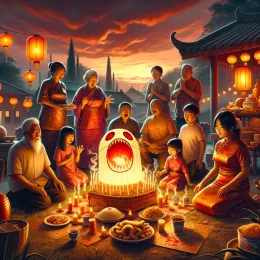
During the Hungry Ghost Festival, families engage in a variety of rituals to honor their ancestors. One of the most common practices is the preparation of elaborate meals, which are offered to the spirits. These meals often include the favorite dishes of the deceased, symbolizing a gesture of love and remembrance.
In addition to food offerings, families may also burn incense and joss paper, which represents money and other material goods. This act is believed to provide comfort and support to the spirits in the afterlife. Street performances, such as Chinese opera and puppet shows, are often organized to entertain both the living and the spirits, creating a lively atmosphere.
Offerings and Food
The types of offerings made during the festival can vary widely, depending on regional customs and family traditions. Common items include:
- Rice and other staple foods
- Fruits, particularly those that are seasonal
- Meats, such as chicken and pork
- Tea and alcoholic beverages
These offerings are placed on altars or in designated areas, often accompanied by incense and candles. The act of preparing and presenting these items is an essential part of the festival, reflecting the love and respect families hold for their ancestors.
Community Celebrations
In many regions, the Hungry Ghost Festival is marked by community-wide celebrations. These events often include:
- Street fairs featuring traditional food stalls
- Live performances, including music and dance
- Fireworks displays
Such gatherings foster a sense of community and togetherness, allowing individuals to share in the collective remembrance of their ancestors. The festive atmosphere serves to uplift spirits and reinforce social bonds among participants.
Regional Variations
While the essence of the Hungry Ghost Festival remains consistent, various regions in China have their unique interpretations and customs. In southern China, particularly in places like Hong Kong and Taiwan, the festival is often marked by grand public celebrations and elaborate rituals.
Conversely, in northern regions, the observance might be more subdued, focusing primarily on family gatherings and private rituals. These regional differences illustrate the diverse tapestry of Chinese culture and the various ways in which traditions are preserved and adapted over time.
Modern Adaptations
As society evolves, so too does the celebration of the Hungry Ghost Festival. In urban areas, where traditional practices may be less feasible, many families opt for simpler observances. However, the core values of remembrance and respect for ancestors remain central to the celebrations.
Technology has also played a role in modern adaptations. Some families now use social media platforms to share memories and tributes to their loved ones, creating a virtual space for remembrance. This blending of tradition and modernity reflects the adaptability of cultural practices in contemporary society.
Environmental Considerations
In recent years, there has been a growing awareness of the environmental impact of certain festival practices, such as burning joss paper. Many communities are exploring more sustainable alternatives, such as digital offerings or eco-friendly materials. This shift highlights the importance of balancing tradition with environmental responsibility.
Significance of the Festival
The Hungry Ghost Festival serves as a poignant reminder of the impermanence of life and the enduring bonds between the living and the dead. It encourages individuals to reflect on their relationships with family and the legacies left behind by ancestors. Through rituals and celebrations, participants find solace in honoring those who have passed, fostering a sense of continuity and connection.
Moreover, the festival promotes cultural identity, allowing individuals to engage with their heritage and share it with future generations. As communities come together to celebrate, they reinforce the values of respect, remembrance, and love that transcend time and space.
Conclusion
The Hungry Ghost Festival encapsulates a rich tapestry of traditions, beliefs, and practices that resonate deeply within Chinese culture. It is a time for honoring ancestors, reflecting on the past, and celebrating the bonds that unite families across generations. As the festival continues to evolve, its core message of remembrance and respect remains timeless, ensuring that the spirits of the departed are never forgotten.

Best Examples of wishes











FAQ
Interesting Articles and Tips for holidays and wishes

Is Labor Day still relevant in 2026?

May Day vs International Workers’ Day: what’s the difference?

Why some countries don’t celebrate May 1st

Unique May Day traditions across cultures

How different countries celebrate May Day



Ваш отзыв добавлен!