






Create a card or greeting about Laylat al-Henna with AI

One generation creates a greeting text and one image. You have 1 of 1 generations left today.
Register or sign in to receive two generations per day and free Advanced Options.

Please wait 10–15 seconds while we create your unique greeting. This process ensures full personalization just for you! Do not leave or reload the page to avoid losing progress. Thank you for your patience!
Celebrating Laylat al-Henna in Saudi Arabia
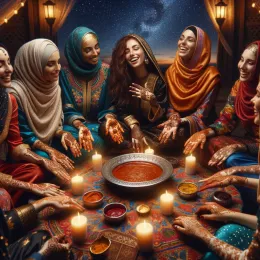
Laylat al-Henna is a significant cultural celebration in Saudi Arabia, deeply rooted in tradition and community. This enchanting night is marked by vibrant festivities, where families and friends come together to honor the beauty and significance of henna in their lives. The event symbolizes joy, love, and the transition into new beginnings, making it a cherished occasion for many.
As the sun sets, the atmosphere transforms into a lively tapestry of colors, sounds, and scents. The air is filled with laughter, music, and the aroma of delicious traditional dishes, creating an inviting ambiance for all participants. The celebration is not just about the application of henna; it encompasses a variety of rituals, social interactions, and artistic expressions that reflect the rich heritage of the region.
The Significance of Henna
Henna holds a special place in Saudi culture, symbolizing beauty, fertility, and protection. Traditionally, it is applied during weddings and other significant life events, serving as a form of adornment for women. The intricate designs created with henna are not only visually stunning but also carry deep meanings, often representing blessings and good fortune.
The application of henna is often accompanied by specific rituals that vary from region to region. Women gather to share stories, sing songs, and celebrate their heritage while decorating their hands and feet with beautiful patterns. This communal activity fosters a sense of belonging and strengthens the bonds between generations.
Traditional Practices and Rituals
During Laylat al-Henna, various traditional practices are observed, each adding to the richness of the celebration. One of the most notable rituals includes the preparation of the henna paste, which is often made from natural ingredients to ensure safety and authenticity. This process is a labor of love, with family members participating in the blending of ingredients and the creation of unique designs.
Another important aspect of the celebration is the storytelling that accompanies the henna application. Elders pass down tales of love, courage, and tradition, enriching the experience for younger generations. These stories often highlight the significance of the designs chosen and the historical context behind them.
Henna Designs and Their Meanings
The designs created during Laylat al-Henna are not merely decorative; they are imbued with symbolism. Common motifs include floral patterns, geometric shapes, and intricate vines, each carrying its own meaning. For instance, floral designs often represent beauty and growth, while geometric patterns symbolize harmony and balance.
Women often choose designs based on personal significance or family traditions. The selection process can be a joyful experience, allowing individuals to express their creativity and connect with their cultural roots. The henna application becomes a canvas for storytelling, where each design narrates a unique tale.
Food and Festivities
No celebration is complete without a feast, and Laylat al-Henna is no exception. Traditional dishes are prepared with care, showcasing the culinary heritage of Saudi Arabia. Families come together to share meals that include a variety of savory and sweet options, each reflecting the region’s flavors and ingredients.
Popular dishes often served during this festive occasion include:
- Mandi – a fragrant rice dish typically served with marinated meat.
- Kabsa – a spiced rice dish with chicken or lamb, often garnished with nuts and raisins.
- Dates and Arabic coffee – a staple offering that symbolizes hospitality.
- Baklava – a sweet pastry made of layers of filo dough, filled with nuts and honey.
As families gather around the table, the spirit of togetherness is palpable. The sharing of food not only nourishes the body but also strengthens the bonds of kinship and friendship.
Music and Dance
Music and dance are integral parts of Laylat al-Henna, adding to the festive atmosphere. Traditional songs often echo through the night, inviting everyone to join in the celebration. The rhythmic beats of drums and the melodies of regional instruments create an enchanting backdrop for the festivities.
Dancing is a joyful expression of celebration, with participants often engaging in traditional dances that reflect their cultural heritage. These dances are not only entertaining but also serve to reinforce community ties, as everyone comes together to celebrate the occasion.
Community Involvement
Laylat al-Henna is a celebration that transcends individual families, inviting entire communities to partake in the festivities. Local organizations and community centers often host events, providing a space for people to gather, share, and celebrate their traditions. This communal involvement fosters a sense of unity and pride in cultural heritage.
Workshops may be organized to teach henna application techniques, allowing participants to learn from skilled artisans. These workshops not only promote the art of henna but also encourage the sharing of stories and experiences, enriching the overall celebration.
Modern Interpretations
While Laylat al-Henna is steeped in tradition, modern interpretations of the celebration are also emerging. Many families are incorporating contemporary elements into their festivities, blending old customs with new ideas. This evolution reflects the dynamic nature of culture, allowing traditions to adapt while still honoring their roots.
Social media plays a significant role in this transformation, with families sharing their celebrations online. This has led to a wider appreciation of the art of henna and the cultural significance of the celebration, reaching audiences beyond local communities.
Preparing for Laylat al-Henna
As the date approaches, preparations for Laylat al-Henna begin in earnest. Families start gathering materials for henna application, including natural henna powder, essential oils, and decorative tools. The excitement builds as everyone anticipates the joyous occasion.
Home decorations are often part of the preparation, with families adorning their spaces with vibrant fabrics, lights, and traditional ornaments. This creates a festive environment that enhances the overall experience of the celebration.
Inviting Guests
Inviting guests to join in the festivities is a cherished tradition. Families often extend invitations to friends, neighbors, and extended family members, creating a welcoming atmosphere for all. This sense of inclusivity is a hallmark of the celebration, emphasizing the importance of community and togetherness.
Reflections on the Celebration
As the night unfolds, participants reflect on the significance of Laylat al-Henna in their lives. It is a time to honor the past, celebrate the present, and look forward to the future. The gathering of loved ones, the sharing of stories, and the application of henna all contribute to a rich tapestry of cultural heritage.
The celebration serves as a reminder of the beauty of traditions and the importance of preserving them for future generations. Each year, as families come together to celebrate, they strengthen the bonds that tie them to their history and to one another.
Conclusion of the Celebration
As Laylat al-Henna draws to a close, families often take a moment to express gratitude for the experiences shared and the memories created. The night may end with a final gathering, where participants reflect on the joy of the celebration and the connections made.
This beautiful occasion encapsulates the essence of community, love, and tradition, leaving a lasting impression on all who partake in the festivities. The spirit of Laylat al-Henna continues to thrive, ensuring that its significance is celebrated for generations to come.

Best Examples of wishes








FAQ
Interesting Articles and Tips for holidays and wishes

Heartfelt ways to congratulate on a new home and property
Messages for personal growth and health milestones

Spotlighting success: how recognizing achievements boosts motivation

Ideas to celebrate from your beautiful wedding to anniversaries
Crafting the perfect message: Well wishes and congratulations


Your review has been submitted!