








Create a card or greeting about Mid-Autumn Festival China with AI


Please wait 10–15 seconds while we create your unique greeting. This process ensures full personalization just for you! Do not leave or reload the page to avoid losing progress. Thank you for your patience!
Celebrating the Mid-Autumn Festival in China
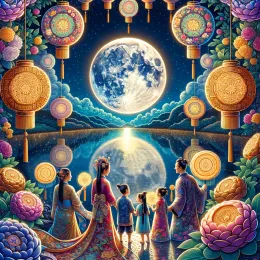
The Mid-Autumn Festival, also known as the Moon Festival, is one of the most celebrated traditional festivals in China. It falls on the 15th day of the 8th month of the lunar calendar, typically in September or October. This festival is a time for family reunions, honoring ancestors, and enjoying the beauty of the full moon. As the moon shines brightly in the sky, families gather to celebrate this special occasion with various customs and delicious foods.
Historical Significance
The origins of the Mid-Autumn Festival date back over 3,000 years to the Shang Dynasty, where moon worship was prevalent. It is believed that the festival was initially a harvest celebration, marking the end of the agricultural season. Over time, the festival evolved, incorporating various legends and cultural practices that highlight its significance in Chinese society.
One of the most famous legends associated with the festival is the story of Chang’e, the Moon Goddess. According to the tale, Chang’e consumed an elixir of immortality and ascended to the moon, where she resides forever. This story symbolizes love, sacrifice, and the longing for reunion, which resonates deeply with families celebrating the festival.
Customs and Traditions
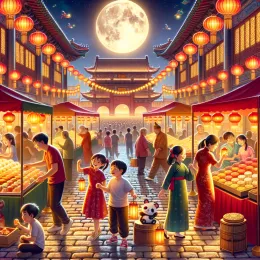
The Mid-Autumn Festival is rich in customs that vary across different regions of China. One of the most prominent traditions is the sharing of mooncakes, round pastries filled with various sweet or savory fillings. These cakes symbolize unity and completeness, making them a perfect treat for family gatherings.
Another popular activity is moon gazing, where families gather outdoors to admire the full moon while enjoying tea and mooncakes. Lantern displays are also a common sight during this festival, with colorful lanterns lighting up the night sky, creating a festive atmosphere.
Mooncakes: A Symbol of Reunion
Mooncakes are the centerpiece of the Mid-Autumn Festival. These pastries come in various flavors, including red bean paste, lotus seed paste, and even modern variations like chocolate or ice cream. They are often elaborately packaged and exchanged among friends and family as a gesture of goodwill.
In addition to their delicious taste, mooncakes hold cultural significance. The round shape represents completeness and unity, making them a perfect gift for loved ones. Families often enjoy mooncakes together, sharing stories and memories while appreciating the beauty of the full moon.
Lantern Festivals
Lanterns play a significant role in the Mid-Autumn Festival. Traditionally made from paper or silk, these lanterns come in various shapes and sizes, often depicting animals, flowers, or mythical creatures. Children often carry lanterns during nighttime celebrations, creating a magical ambiance.
In some regions, lantern riddles are a popular activity, where individuals solve riddles written on the lanterns. This tradition adds an element of fun and competition to the festivities, engaging both children and adults alike.
Regional Variations
While the essence of the Mid-Autumn Festival remains the same, different regions in China have their unique customs and foods associated with the celebration. In southern China, for example, it is common to enjoy taro and pomelo during the festivities, while northern regions may favor different types of mooncakes.
In Hong Kong, the festival is celebrated with vibrant street fairs and dragon dances, showcasing the region’s rich cultural heritage. In contrast, rural areas may focus more on family gatherings and traditional practices, emphasizing the importance of familial bonds during this time.
Mid-Autumn Festival Around the World
The Mid-Autumn Festival is not only celebrated in China but also in various countries with significant Chinese communities, such as Vietnam, Singapore, and Malaysia. Each country adds its cultural twist to the festival while maintaining the core traditions of moon worship and family reunions.
In Vietnam, the festival is known as Tết Trung Thu, where children play with lanterns and enjoy special treats like bánh trung thu, a type of mooncake. This celebration emphasizes the importance of children and their happiness, making it a joyful occasion for families.
Modern Celebrations
In contemporary China, the Mid-Autumn Festival has adapted to modern lifestyles while retaining its traditional values. Urban areas often see large-scale celebrations, including public events, concerts, and fireworks displays. Social media also plays a significant role in the festival, with families sharing their celebrations online, showcasing their mooncake designs and festive decorations.
Many companies take this opportunity to promote mooncakes, creating innovative flavors and packaging to attract consumers. This commercialization of the festival has made mooncakes a popular gift during the season, further enhancing the spirit of sharing and togetherness.
Environmental Considerations
As the Mid-Autumn Festival continues to evolve, there is a growing awareness of environmental sustainability. Many people are now opting for eco-friendly mooncake packaging and reducing waste during the celebrations. Additionally, more families are choosing to celebrate the festival by engaging in outdoor activities, such as hiking or picnicking, to appreciate nature and the beauty of the moon.
Conclusion
The Mid-Autumn Festival is a time of joy, reflection, and togetherness for families across China and beyond. Its rich history, vibrant traditions, and delicious foods create a unique cultural experience that resonates with people of all ages. As the full moon shines brightly in the sky, families come together to celebrate the bonds that unite them, making this festival a cherished occasion in the hearts of many.

Best Examples of wishes



FAQ
Interesting Articles and Tips for holidays and wishes

Is Labor Day still relevant in 2026?
May Day vs International Workers’ Day: what’s the difference?

Why some countries don’t celebrate May 1st
Unique May Day traditions across cultures
How different countries celebrate May Day



Ваш отзыв добавлен!